The clearest signs your home needs a surge protector: electronics that keep dying young, lights that flicker after storms, blinking clocks and tripped GFCIs after every outage, and expensive equipment on your panel — an EV charger, heat pump, solar, or battery. The Front Range gets more lightning than almost anywhere else in Colorado, but here’s the part most homeowners miss: the majority of surges are small ones generated inside your own house, every day. A whole-home Type 2 surge protector at the main panel handles both. Typical installed cost in Northern Colorado is $300 to $800 — and it’s included free with any Three Crowns panel upgrade.
Most homeowners look for signs your home needs a surge protector only after something dies — a TV that won’t turn on after a storm, a garage door opener that quit, a furnace board that failed for no visible reason. By then the surge already ran through everything else in the house too. The average homeowner lightning-damage insurance claim runs roughly $77,000 to $84,000, according to National Association of Insurance Commissioners data. The device that prevents most of that damage costs a few hundred dollars installed.
Northern Colorado is genuine lightning country. Here’s Jon Trujillo, the Master Electrician behind Three Crowns Electric, on when it hits:
“We do get a lot of those [lightning strikes] through starting really from June all the way through September.”
— Jon Trujillo, Master Electrician
But lightning is only half the story. Here are the seven signs it’s time to put a surge protector in your panel.
What does a whole house surge protector actually do?
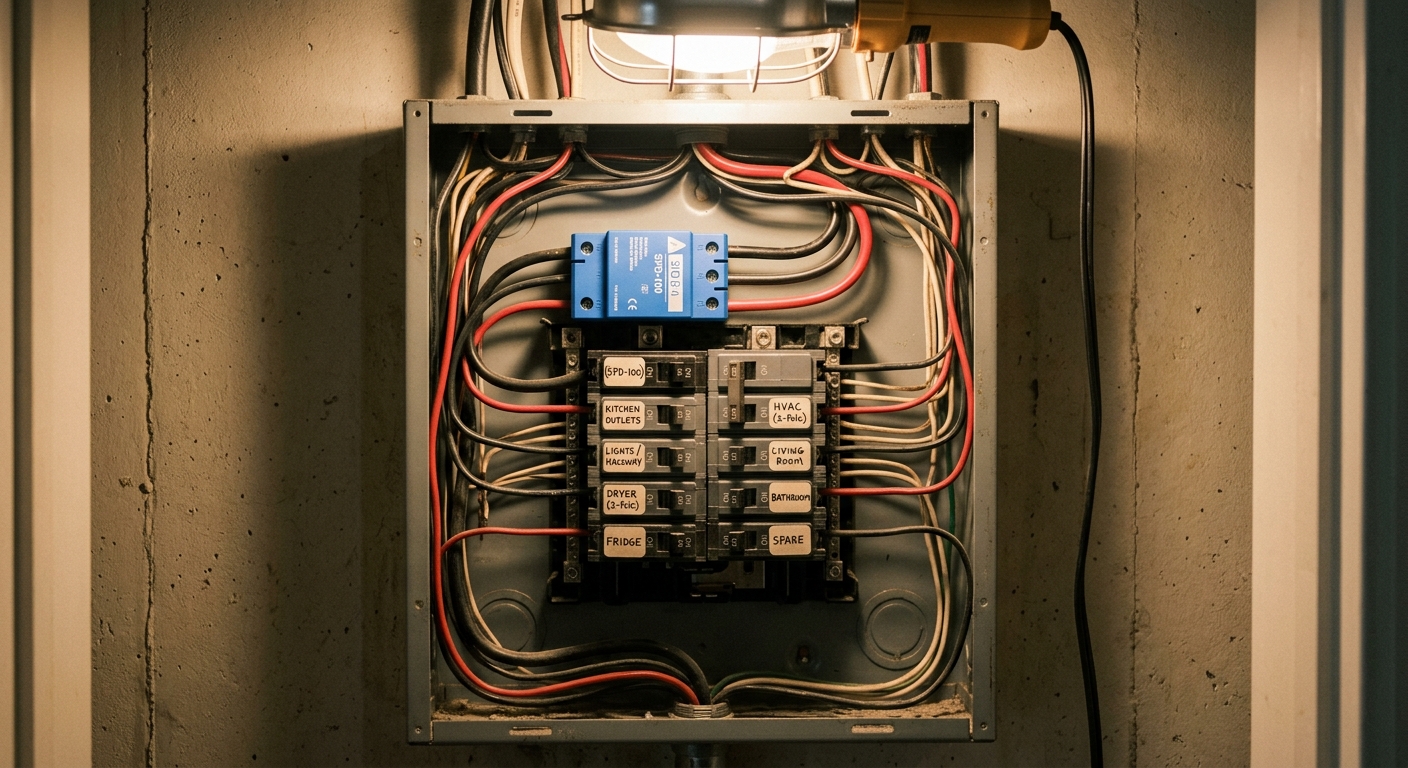
A whole-house surge protector — the technical name is a Type 2 surge protective device, or SPD — mounts in or next to your main electrical panel. When voltage on the line spikes above normal, the device shunts the excess to ground before it reaches your circuits. Everything downstream of the panel gets the benefit: HVAC, fridge, TVs, computers, furnace board, smart thermostat, EV charger.
That’s the difference between it and the power strips behind your TV. A strip protects one outlet, and only against smaller spikes. The SPD at the panel catches the surge upstream of everything.
Here’s how Jon describes what happens when a strike actually connects with a house — this is from real jobs, not theory:
“The lightning will strike their gutter system and then it’ll travel throughout the home. And depending if the home’s grounded properly or if they have a surge protector, the first place the lightning strike exits is all of your equipment. So it goes out through your TVs, goes out through any phone systems, computers, any electronics.”
— Jon Trujillo, Master Electrician
The electricity is looking for a path to ground. Without a surge protector, your electronics are that path.
The part nobody tells you: most surges come from inside your house
Lightning gets the headlines, but the majority of surges are small, internal, and constant. Every time a motor-driven appliance cycles — the AC compressor, the fridge, a well pump — it creates a brief voltage spike on your home’s wiring. Utility grid switching does the same from the outside: when Xcel or Poudre Valley REA restores an outage or reroutes power, a spike can ride in on the service line.
No single spike kills a device on the spot. They wear electronics down. Boards and capacitors degrade a little with each hit, which is why a five-year-old smart TV or furnace control board fails “for no reason.” The reason was several thousand small surges.
That’s the case for a whole-house surge protector even if your house never takes a strike: it clamps spikes year-round, not just during July thunderstorms. For the full background on how surges happen, see why whole-home surge protection is a smart upgrade for Colorado homes. This post is the checklist: the signs that you, specifically, should stop putting it off.
The 7 signs your home needs a surge protector
1. Your electronics keep dying young
Phone chargers that quit after a few months. LED bulbs that burn out way ahead of their rated life. A router replaced twice in three years. One Front Range homeowner on Reddit tallied a fried gaming PC, three charger cords, a smart light, and two LED grow lights in a single month — and suspected Xcel power surges as the cause.
Individually, each failure looks like bad luck. Together, they’re the signature of repeated small surges. If you’re replacing electronics more often than seems reasonable, that’s sign one.
2. Lights flicker or dim after storms or when big appliances kick on
A brief dim when the AC compressor starts is your wiring reacting to a large motor’s inrush current — and that same event is generating a spike on the line. If flickering shows up after storms, after utility work in the neighborhood, or at random, voltage on your system is not as stable as it should be.
One caution: flickering can also point at a loose neutral or an overloaded panel, which are their own problems. If it’s new, frequent, or paired with warm outlets or buzzing, have it diagnosed — check the signs your electrical panel needs replacing before assuming a surge protector alone solves it.
3. Blinking clocks and tripped GFCIs after every outage
If every power blip leaves the microwave clock flashing and a GFCI or two tripped, your house is feeling the switching surges that come with grid restoration. Power doesn’t come back gently after an outage — the re-energization spike is one of the most common non-lightning surge events there is. Frequent outages mean frequent restoration spikes. That’s sign three.
4. You’ve added expensive equipment to your panel — EV charger, heat pump, solar, or battery
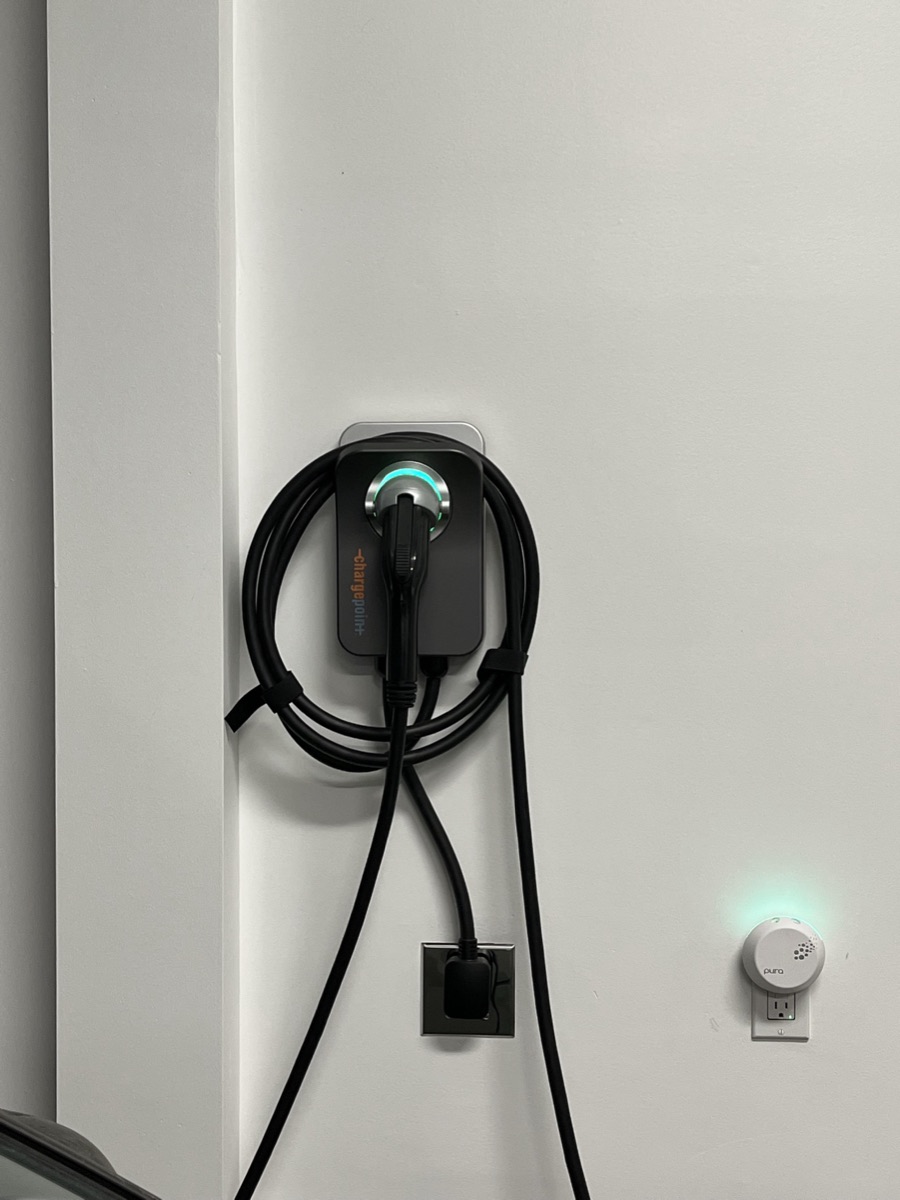
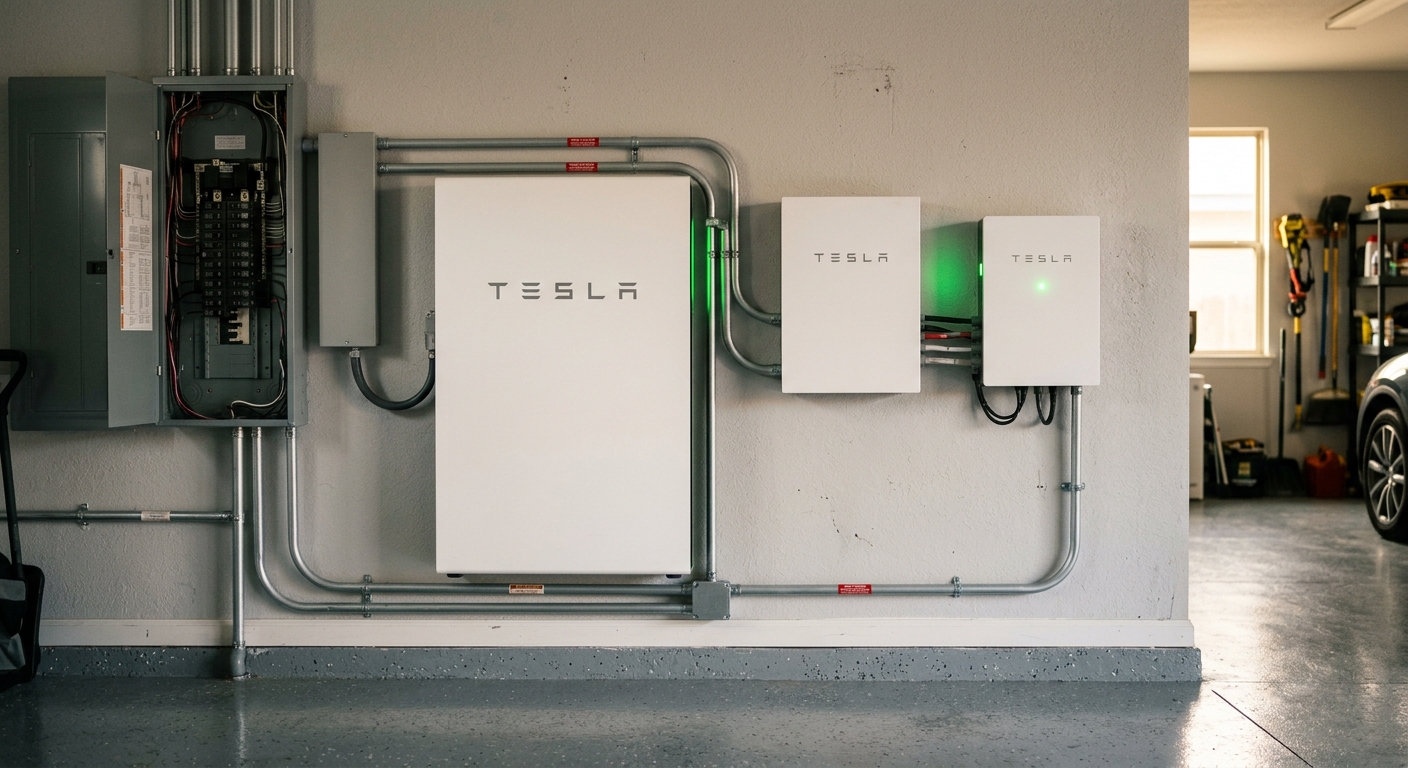
A 2005-era house had maybe a TV and a desktop computer worth protecting. A 2026 house might have an EV charger, a heat pump, an induction range, a solar inverter, and a battery — tens of thousands of dollars of power electronics, all hanging off the same bus bar. Every one has a circuit board a surge can take out.
Worth knowing: about half of EV charger installs in NoCo end up needing a panel upgrade anyway — which makes the surge protector free, more on that below. If the value of what’s connected to your panel just jumped, the protection should jump with it.
5. Your home is rural, exposed, or in the foothills
Lightning risk isn’t evenly distributed. Homes in Wellington, Berthoud, Severance, and out toward Estes Park and the foothills sit more exposed than a mid-block house in Old Town Fort Collins — higher elevation, fewer tall structures nearby, longer rural utility runs that pick up induced surges from strikes that never touch the house. The Front Range summer thunderstorm pattern makes Colorado one of the more lightning-active states, per the National Weather Service’s lightning safety pages — and a strike doesn’t need to hit your roof to send a surge down your service line.
If your house is the tallest thing on your acreage, this sign is for you.
6. Your area gets frequent utility blips
Anyone in Northern Colorado who lived through the December 2025 wind-driven outages knows the grid here takes a beating. If your neighborhood loses power more than once or twice a year — common on rural Poudre Valley REA lines and in wind-exposed parts of Weld County — your electronics are absorbing more switching surges than the average home’s.
7. There’s no SPD in your panel — and here’s how to check
Open your panel door (just the door — not the cover behind it) and look for one of these:
- A small module inside the panel taking up two breaker slots, with one or two status lights
- A box about the size of a deck of cards mounted on the outside of the panel, also with a status light
- A label saying “surge protective device,” “SPD,” or a brand name like Siemens, Eaton, Square D, or Leviton
Green light: you’re protected. Red light or no light: the device has absorbed its hits and needs replacement. No module at all: your home has no whole-house surge protection, and if any of signs one through six apply, that’s the checklist telling you something.
Type 1 vs Type 2 surge protectors, in plain language
You’ll run into these terms shopping around. The plain-language version:
| Type 1 | Type 2 | Plug-in strips (Type 3) | |
|---|---|---|---|
| Where it goes | Between the utility line and your main breaker (line side) | In or beside your main panel (load side) | At the outlet |
| What it’s best at | The biggest external hits — lightning-induced surges on the service line | Everything that reaches the panel, from lightning remnants to daily internal spikes | Small leftover spikes at one device |
| Who installs it | Licensed electrician; sometimes utility coordination | Licensed electrician; often under an hour with a free breaker slot | You |
| Typical role in NoCo | Optional extra layer for exposed/rural homes | The standard whole-home install | The last line, not the first |
For most Northern Colorado homes, a Type 2 at the main panel is the right call — it’s what current code requires on new installs and it covers both surge sources. Layering matters: Type 2 at the panel plus your existing strips at the sensitive electronics. Neither is enough alone. One documented failure pattern from surge forums: a $3,000 TV died behind a plug-in surge protector because the spike came in through the cable line and went around the strip entirely.
Is a whole house surge protector worth it in Colorado?
Run the math. A Type 2 SPD installed in Northern Colorado runs $300 to $800, including the device, a dedicated breaker, and labor. The average homeowner lightning-damage claim is roughly $77,000 to $84,000. Add the non-lightning benefit — slower wear on every board and compressor in the house — and it’s one of the cheapest pieces of protection you can buy for a Front Range home. One Reddit homeowner put it plainly: it’s about as good an investment as home insurance.
And there’s a case where the question answers itself. Jon on what Three Crowns includes with panel work:
“We highly, highly recommend any update that we do, we include a surge protector for those new panels.”
— Jon Trujillo, Master Electrician
Surge protection comes built into every Three Crowns panel upgrade at no extra cost — many contractors charge $200–$400 for the same add-on. Part of that is code: NEC 230.67, in force since the 2020 code cycle, requires surge protection whenever a service is installed or replaced, and Fort Collins, Loveland, and Greeley all run 2020-or-newer code. If your panel is due for replacement anyway — and if it’s a Federal Pacific, Zinsco, or Challenger it’s overdue — the surge protector rides along free.
When to call a licensed electrician
Call the same day if:
- Your home just took a strike or a near strike — surge damage can keep showing up for weeks (HVAC boards, panel bus bars, smart hubs), and an inspection now documents it for your insurance claim
- You smell burning at the panel, or see scorch marks near it
Schedule soon if:
- Three or more of the seven signs above apply to your house
- Your SPD’s status light is red or dark
- You’re adding an EV charger, heat pump, solar, or battery
- You’re already planning panel work — bundle it and the SPD is free
Skip the call for now if:
- You have a working SPD with a green status light, no flickering, no early-death electronics. Check the light once a year and after big storms.
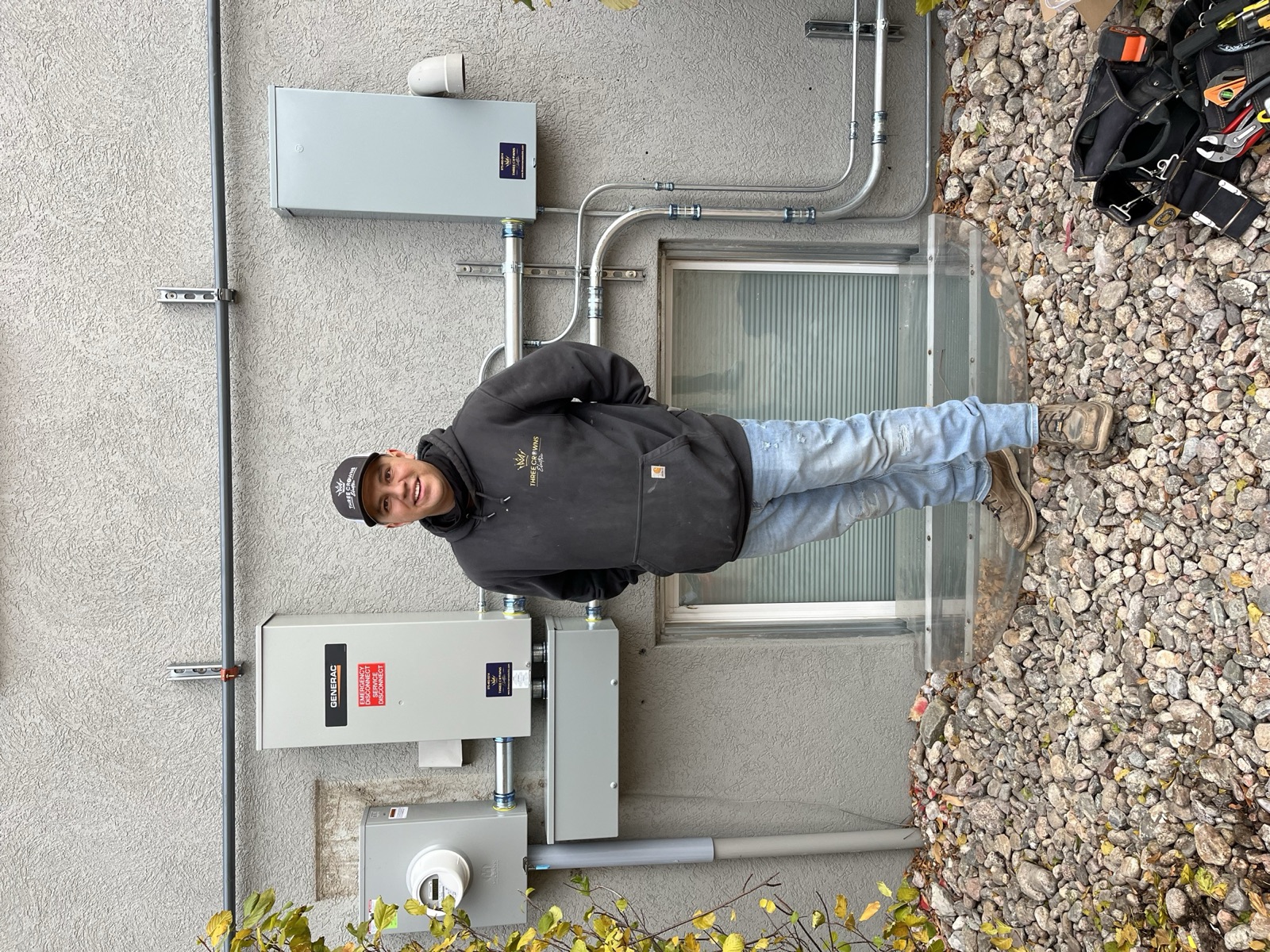
Three Crowns Electric installs whole-home surge protection across Fort Collins, Loveland, Greeley, Windsor, and the rest of Northern Colorado. Master Electrician with 20 years in the trade, 518+ five-star Google reviews, and salaried technicians — nobody’s paid a commission to sell you a bigger job than you need. Call (970) 460-0014 for a free quote.
Frequently asked questions
How much does a whole house surge protector cost installed in Northern Colorado?
Typical range is $300 to $800 installed, covering the device, a dedicated breaker, and labor. A mid-grade Type 2 unit from Siemens, Eaton, or Square D with a visible status light is the right fit for most NoCo homes. With a free breaker slot, the install usually takes under an hour. Bundled with a Three Crowns panel upgrade, it’s included at no extra cost.
Do the surge strips I already have do the same thing?
No. Point-of-use strips catch small spikes at one outlet, but a real lightning-induced surge blows through them — or bypasses them entirely through the cable or phone line. A Type 2 device at the main panel catches the surge upstream of the whole house. Keep the strips as a second layer. They’re not a substitute for the first one.
Will a whole house surge protector stop a direct lightning strike?
No device fully protects against a direct hit on the structure — that’s a lightning rod conversation, a different system. An SPD clamps the surge that comes in on the utility line from nearby strikes and grid events, which is the far more common scenario. Direct strikes are rare; induced surges happen every storm season.
How long does a whole house surge protector last?
Until it has absorbed too many surges — a handful of big hits or years of small ones. That’s what the status light is for: green means protected, red or dark means the device sacrificed itself and needs replacement. Check it once a year and after any major storm.
When is lightning season in Colorado?
June through September — the window when the Front Range gets the bulk of its strikes, driven by the summer afternoon thunderstorm pattern coming off the foothills. It’s also the smart deadline for the install: before the season, not after the storm.
Last reviewed by a licensed Master Electrician: August 2026