







Electrical scope for a remodel in Northern Colorado typically runs $2,000–$10,000+ depending on the project — kitchen ($2K–$5K), bath ($1.5K–$3.5K), basement finish ($3.5K–$7K), whole-home rewire ($10K+). Every disturbed circuit comes up to current code (AFCI on bedrooms, GFCI on kitchens/baths, tamper-resistant outlets). Whole-home rewires typically leave 80–90% of drywall intact because we access through closets, outlet boxes, and attics. We coordinate rough-in, inspection, and trim-out directly with your GC — or work owner-builder direct.
A remodel is the one time it makes sense to do every electrical thing you’ve been putting off — relocate the awkward outlet, add the kitchen circuits the original builder skipped, fix the GFCI gaps in the bathroom, and lay out the lighting the room actually needs. Walls-open is when this work costs the least, by a wide margin.
We do electrical scope on kitchen, bath, basement, and whole-home remodels across Northern Colorado. About 60% of our remodel work is direct-with-the-homeowner (owner-builder pattern); the other 40% is coordinated with a general contractor. Either way, the scope, timeline, and quote process is the same.
How much does the electrical work for a kitchen remodel cost?
A typical kitchen remodel runs $2,000 to $5,000 for the electrical scope, with most landing in the $2,800–$3,800 range. The price moves with the appliance package: induction ranges, drawer microwaves, beverage fridges, dishwashers in islands, and pop-up countertop outlets all add dedicated circuits.
| Kitchen remodel scope | Typical cost | Drives the price |
|---|---|---|
| Standard refresh (replace existing fixtures + outlets, no new circuits) | $1,500–$2,500 | New cabinets, same layout |
| Standard remodel (recessed lighting + island outlet + dimmers) | $2,500–$3,500 | New layout, lighting, code updates |
| Premium remodel (induction range + drawer microwave + island sink + beverage fridge) | $3,800–$5,500 | 3–4 new dedicated circuits |
| Whole-kitchen rewire (older home, panel maxed, code-required upgrade) | $5,000–$8,000 | Often triggers panel work |
Where it gets bigger: induction ranges need a 50A 240V circuit; island sinks add a GFCI counter-circuit; drawer microwaves want their own 20A line; beverage fridges and ice makers each typically warrant a dedicated 15A. The total scales fast on appliance-heavy remodels.
We quote every scope item itemized so you can see exactly what each fixture or appliance is costing — and you can decide which ones to pull from the scope if budget is tight.
Do I need to update anything to current code during a remodel?
Yes. Anything new or disturbed during the remodel has to come up to current code. The four pieces that catch homeowners off guard:
- AFCI protection — Arc-Fault Circuit Interrupter protection is required on bedroom and living-area circuits. If we’re disturbing a circuit that wasn’t AFCI-protected, the new breaker has to be AFCI-rated.
- GFCI protection — Ground-Fault Circuit Interrupter protection is required on kitchen counters, bathroom outlets, laundry rooms, garages, basements, and outdoor outlets. Most older NoCo homes have only partial GFCI coverage; remodels close those gaps.
- Tamper-resistant outlets — every new receptacle in a residential dwelling has to be TR-rated (the receptacles with the small spring-loaded shutters that prevent kids from inserting objects). All our remodel outlets are TR.
- Box fill — older boxes were often packed past their volume limit. Code requires us to verify and replace boxes that don’t meet current fill requirements when we’re working in them.
These updates aren’t optional and they aren’t an upcharge we invent — they’re code requirements your inspector will check. We build them into the scope and the quote up front. If your panel doesn’t have enough breaker slots for the new AFCI/GFCI breakers required by the remodel, we talk about a sub-panel or panel upgrade at the start of the project, not the end.
Can you work directly with my contractor?
Yes — that’s how most of our remodel work happens. We coordinate with your GC on three milestones:
- Rough-in: after framing and plumbing rough is done, before insulation. We pull all the wire, set boxes, and prep for inspection.
- Rough-in inspection: city or county inspector verifies all wiring meets code before drywall goes up.
- Trim-out: after drywall and paint, we install all the receptacles, switches, fixtures, and the panel work. Final inspection happens here.
If your project schedule slips, ours flexes with it. We don’t double-book remodel jobs and assume both will happen on the original date — when your drywaller is two days late, our trim-out moves two days too.
For owner-builder remodels (homeowners running their own project without a GC), we treat you the same as a GC: same coordination, same milestones, same accountability for our piece of the schedule. Owner-builders often do better on remodel projects than they expect because we communicate the same way we would with a contractor.
How much of the house has to be opened up for a whole-home rewire?
Less than people think. The standard “I’m rewiring the whole house, every wall has to come off” assumption is wrong — for most NoCo homes, a careful rewire leaves 80–90% of drywall intact.
How we do it:
- Closets — most exterior walls have a closet against them somewhere; we access through the closet wall (which gets a small patch) instead of the bedroom wall (which would be visible)
- Existing outlet and switch boxes — we fish new wire through existing boxes and use them as access points
- Attic and crawlspace — top-floor rewires happen almost entirely from the attic; first-floor rewires use the crawl
- Strategic ceiling holes — sometimes a small (4-6”) ceiling cut is the cleanest path; we patch and you’d never know
- Removing baseboards — we route along the floor edge in some cases and re-install baseboard, leaving the wall surface untouched
We walk the house first and map every access point before any work starts. You see exactly where the patches will be before we cut a single piece of drywall. Most homeowners are surprised at how surgical it is.
A whole-home rewire is the right call when:
- The home was built before 1965 and has knob-and-tube wiring (real fire risk in 2026)
- The home has aluminum branch wiring (1965–1975) and your insurance is flagging it
- The wire insulation has deteriorated past safe limits (rare but real on 1940s-and-earlier homes)
- You’re already gutting half the house for a major remodel and the rewire fits naturally into that scope
Older Old Town Fort Collins homes (1900–1950 builds) are the most common rewire candidates we see. The work runs $10,000+ depending on house size and complexity.
What does the electrical scope of a basement finish look like?
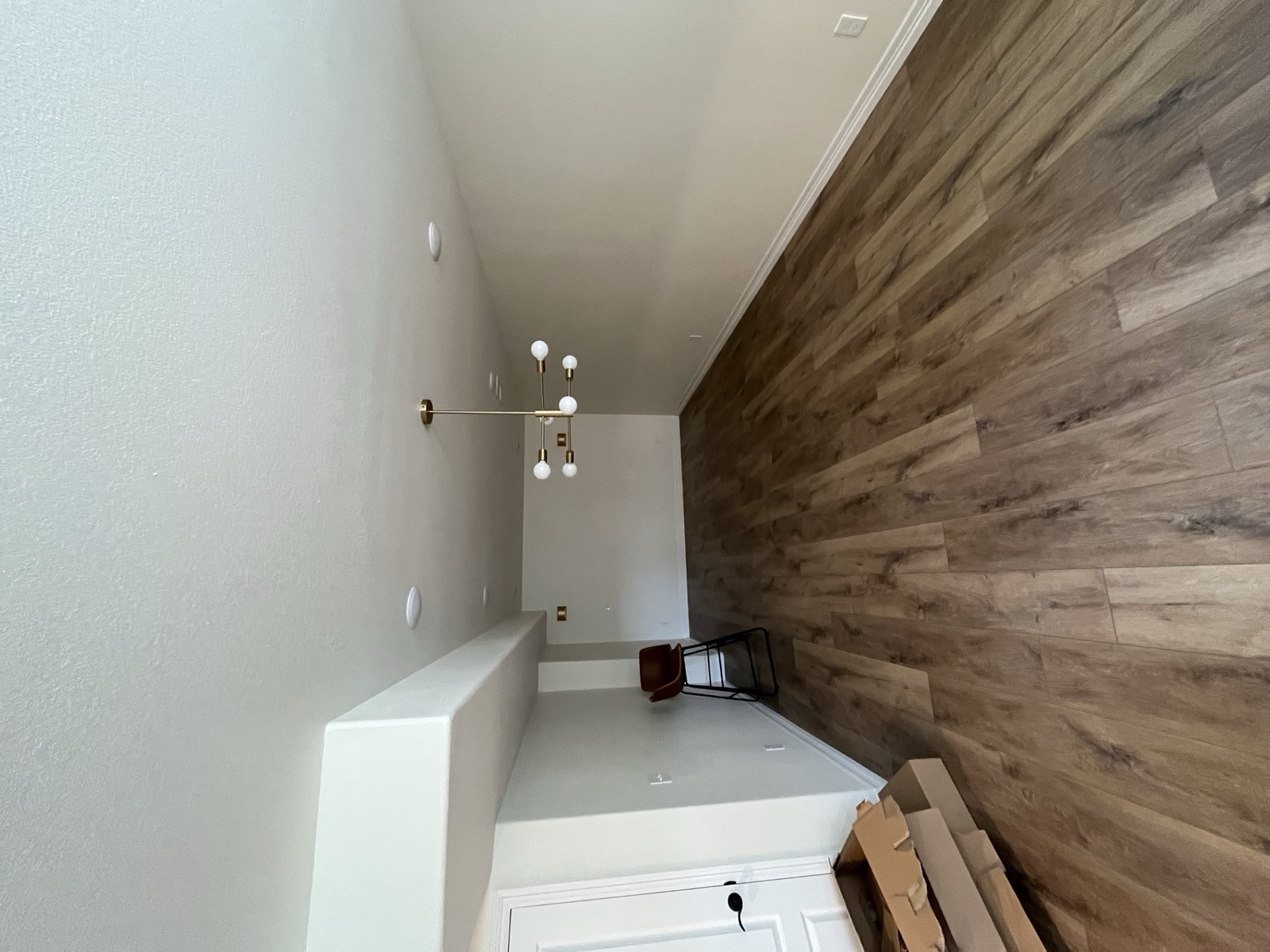
Basement finish remodels typically run $3,500–$7,000 for electrical. The scope includes:
- Egress bedroom circuits — every bedroom needs a smoke detector, an AFCI-protected receptacle circuit, and code-compliant lighting
- Bathroom electrical — GFCI receptacles, exhaust fan circuit, vanity lighting, sometimes heated floor
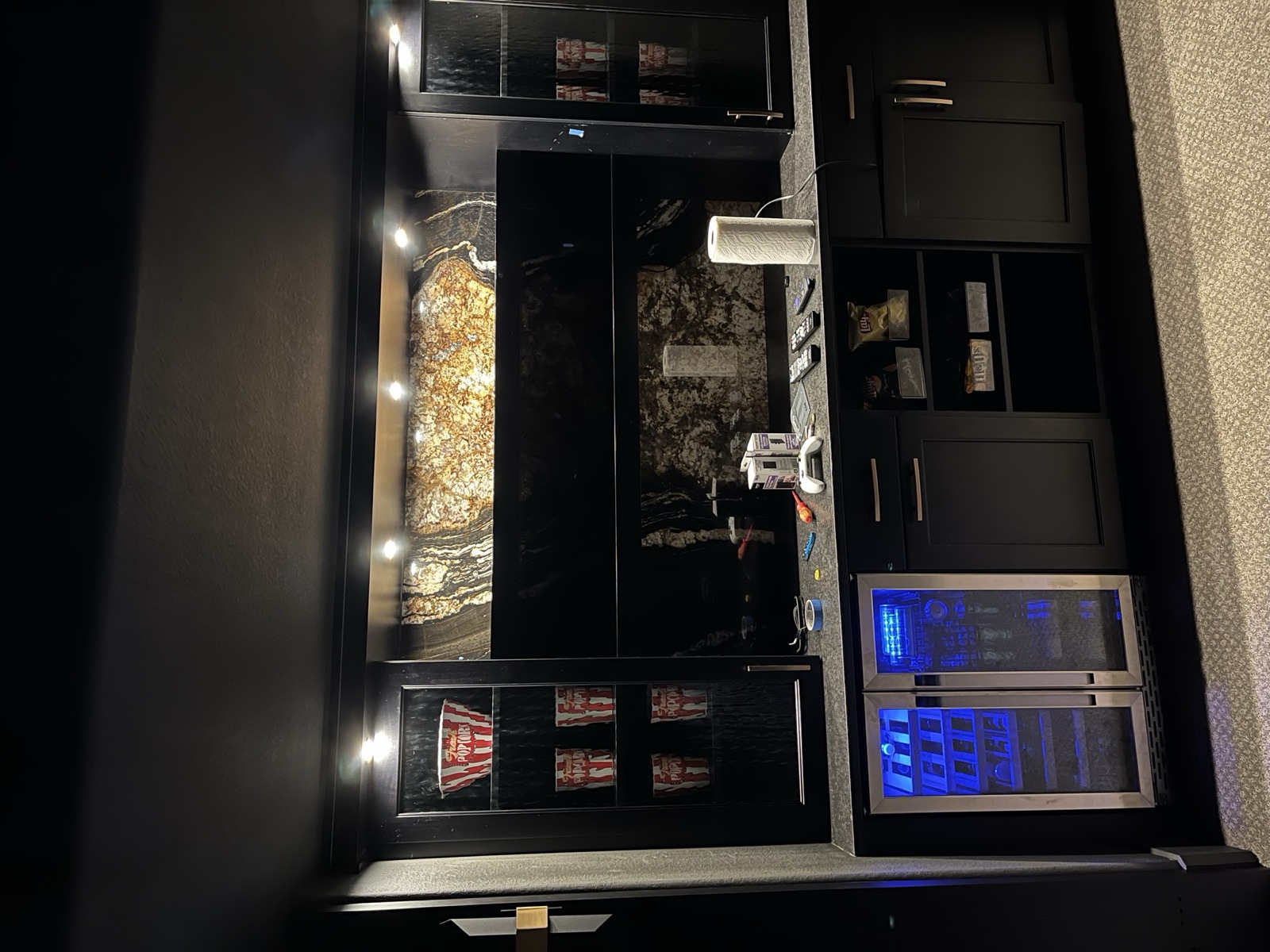
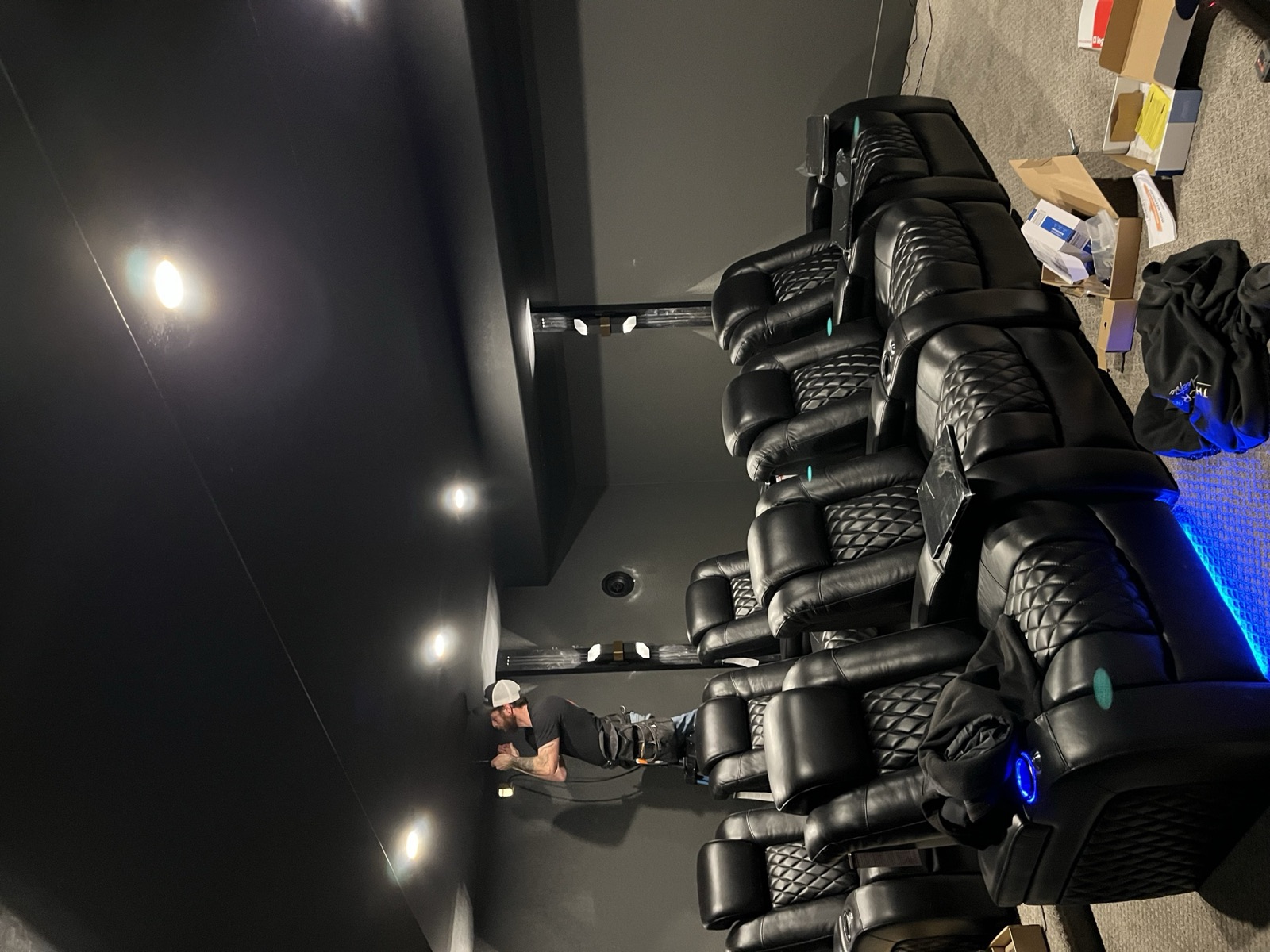
- Media room — dedicated circuit(s) for TV/AV equipment, recessed lighting layout, dimmer-controlled scene zones
- Wet bar / mini-kitchen (if applicable) — counter outlets, beverage fridge circuit, lighting
- General lighting — hallway, stairs, utility area
- Subpanel installation (often required) — basements typically push the home past 100A capacity, so a subpanel either off the main or via a service upgrade gets considered
- Code-compliant smoke/CO detector tie-in — interconnected detectors required throughout
The variables that move the price: square footage of the finish, number of bedrooms, whether there’s a bathroom or kitchen, and whether the existing service has capacity or needs to be expanded.
For most NoCo basement finishes, we recommend talking about the panel/service capacity at the very beginning of the project. The thing that wrecks remodel timelines is discovering at trim-out that the panel is full and we need to add a sub-panel — done in the right order at the start, it adds two days. Done as a discovery at week 5 of an 8-week project, it adds a week and a half.
Can you design the lighting layout or do I need a designer?
We design the layout for most kitchen, bath, basement, and main-floor projects in-house. We do this all the time and the result is what you’d expect from a working electrician — practical placements, code-compliant switching, dimmers where they matter, and the recessed grid actually centered on the counter you’re going to be working on.
Where we recommend bringing in a lighting designer:
- High-end custom homes with layered accent / architectural / gallery-grade lighting
- Cathedral or vaulted ceilings with complex multi-zone scene programming
- Whole-home smart lighting integrating with home automation (Lutron RadioRA, Crestron, Savant)
- Art display or gallery walls requiring specific color temperature and beam angle work
- Outdoor architectural lighting beyond standard landscape work
For those projects, we install from the designer’s plan. We’ve worked with most of the lighting design firms operating in Boulder, Fort Collins, and Denver — bring us their plan and we execute it cleanly.
For details on our lighting installation work, see our lighting installation page.
Why hire a licensed electrician for a remodel instead of a handyman?
Three reasons that come up on every remodel where a handyman did the work first:
- Code knowledge — current NEC + AFCI/GFCI requirements + local jurisdiction quirks (Fort Collins’s tamper-resistant rule, Loveland’s slightly different inspection workflow, Boulder’s energy code add-ons) are constantly updated. Handymen often work off code from 5–10 years ago.
- Permit + inspection accountability — licensed electrical contractors can pull permits and stand for inspection. Handymen typically can’t, which means the work either goes unpermitted (creating a real liability at sale) or gets done under your own name as homeowner — at which point you’re personally liable for the work.
- Insurance coverage — homeowner’s insurance can deny claims caused by unpermitted electrical work. We’ve seen actual fire-claim denials traced to handyman wiring.
The cost difference between a handyman remodel and a licensed electrical contractor is usually 30–50%. The cost of fixing handyman work after the inspector fails it (or after a bad outcome) is usually 100–200%. The math nearly always works out to hire the licensed contractor the first time.
We don’t say this to scare anyone away from handymen — we use them ourselves for plenty of jobs that don’t need a licensed electrician. Electrical isn’t one of them.
Last reviewed by a Master Electrician: April 29, 2026.
Have a remodel project in mind? Call (970) 460-0014 for a free estimate. We’ll come walk the project, scope the electrical work itemized by area, and put a written quote on paper before drywall comes off.