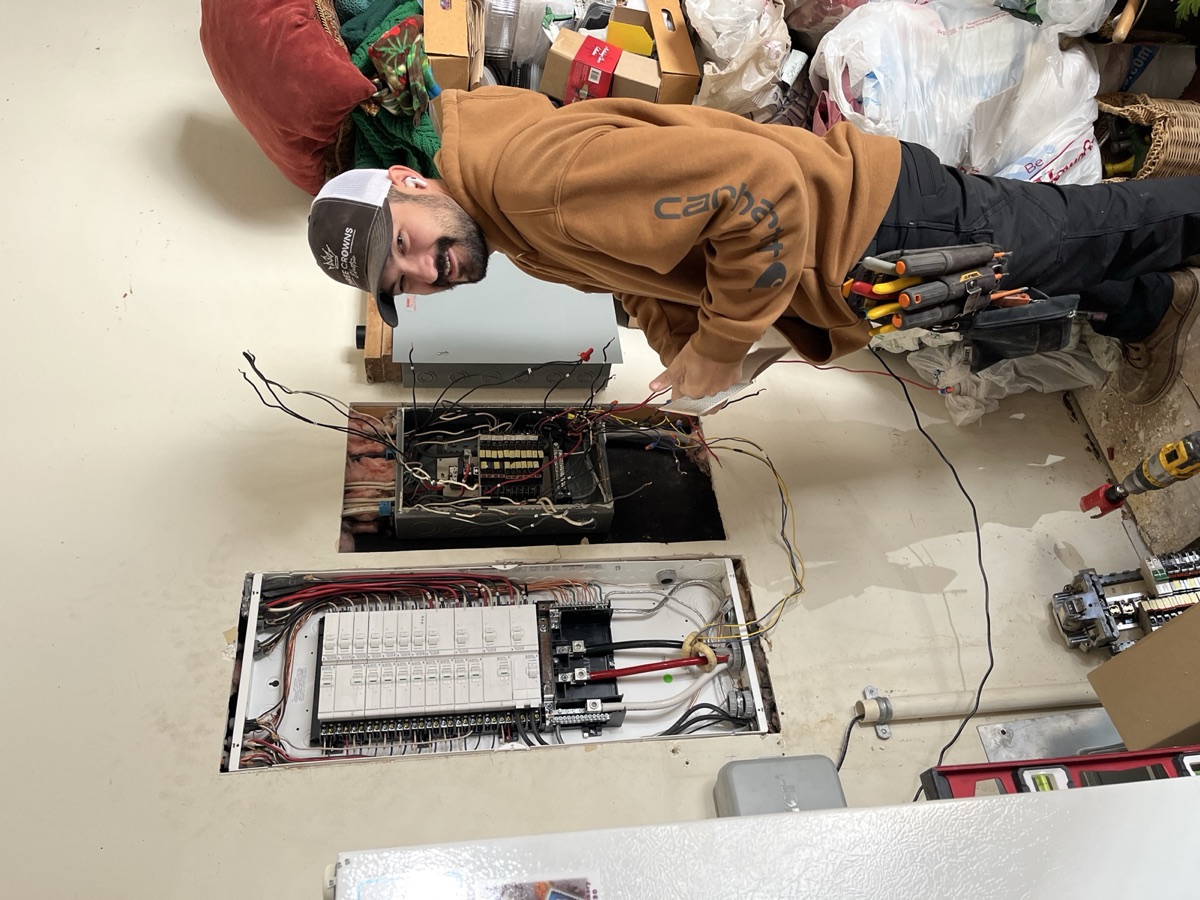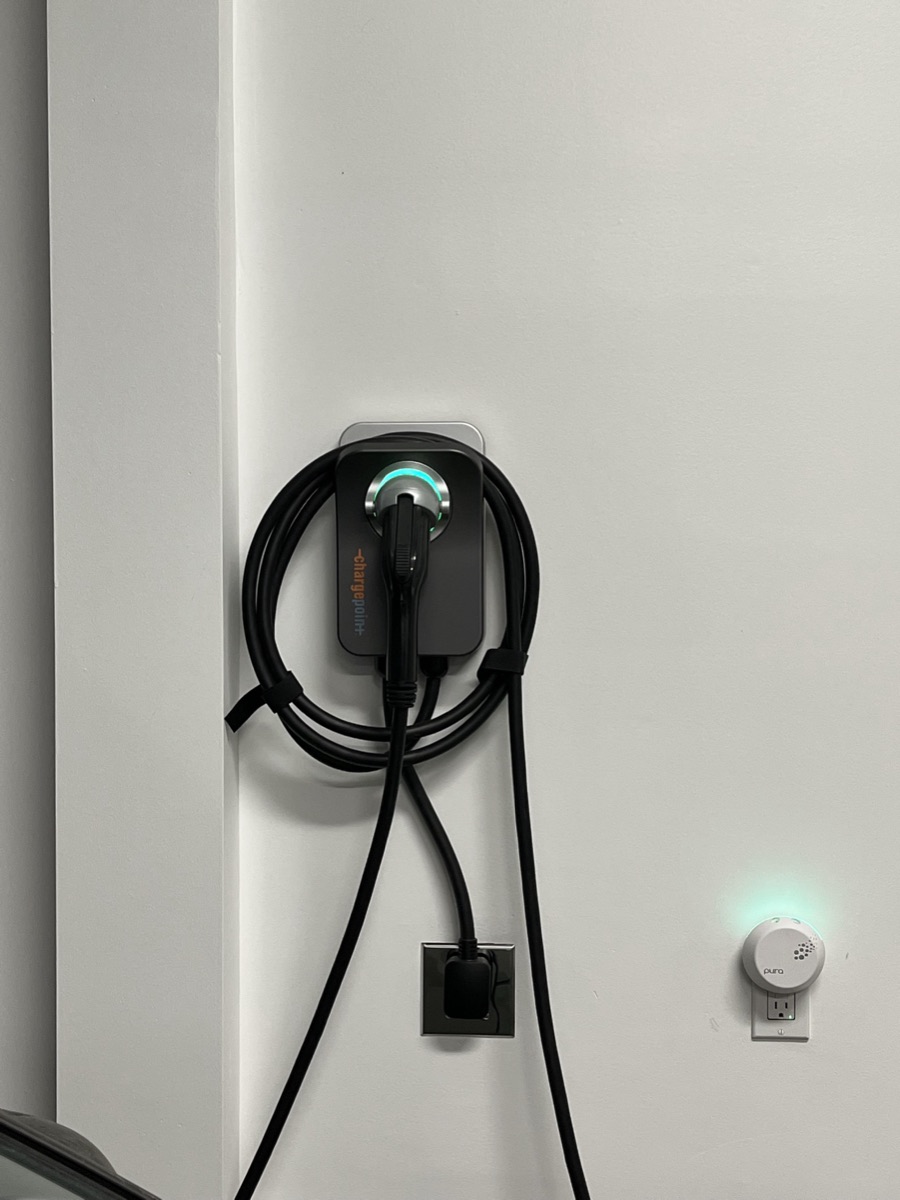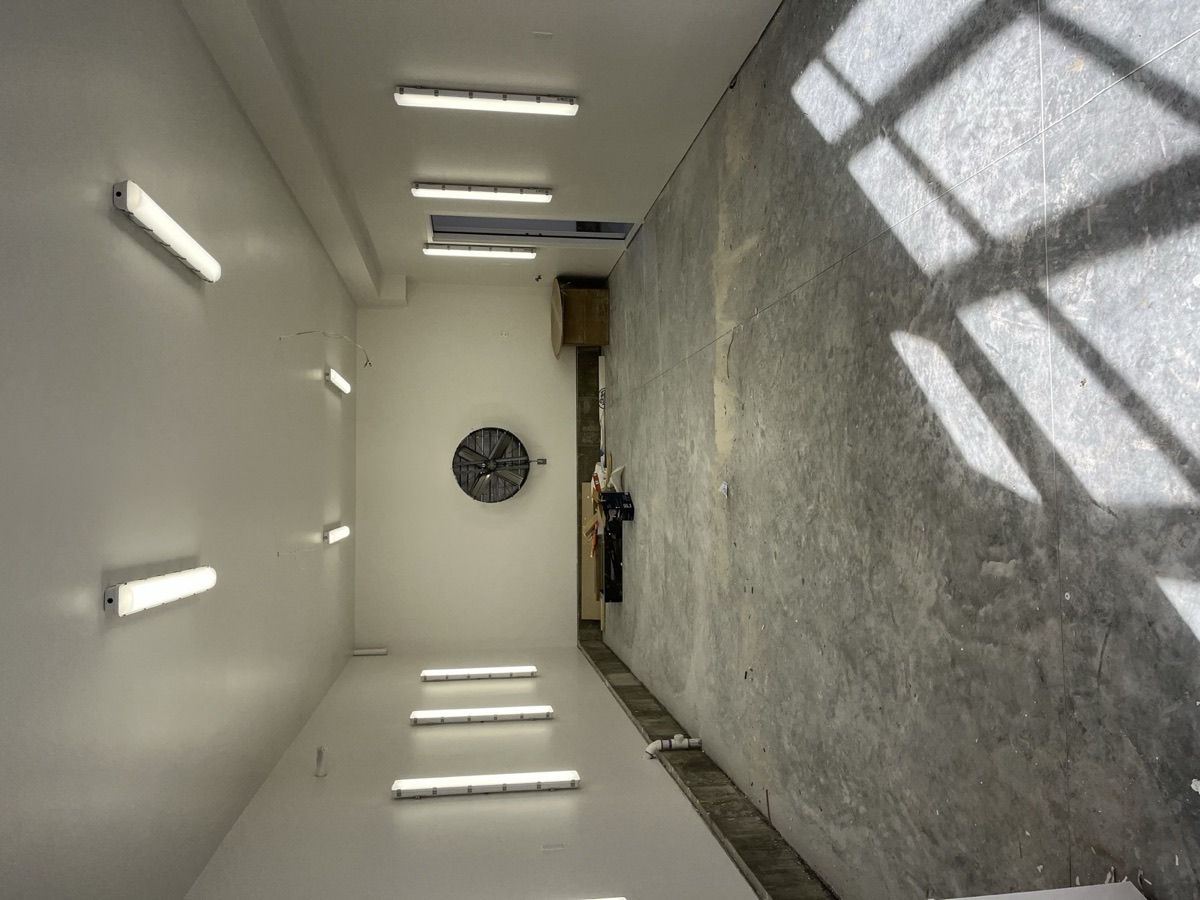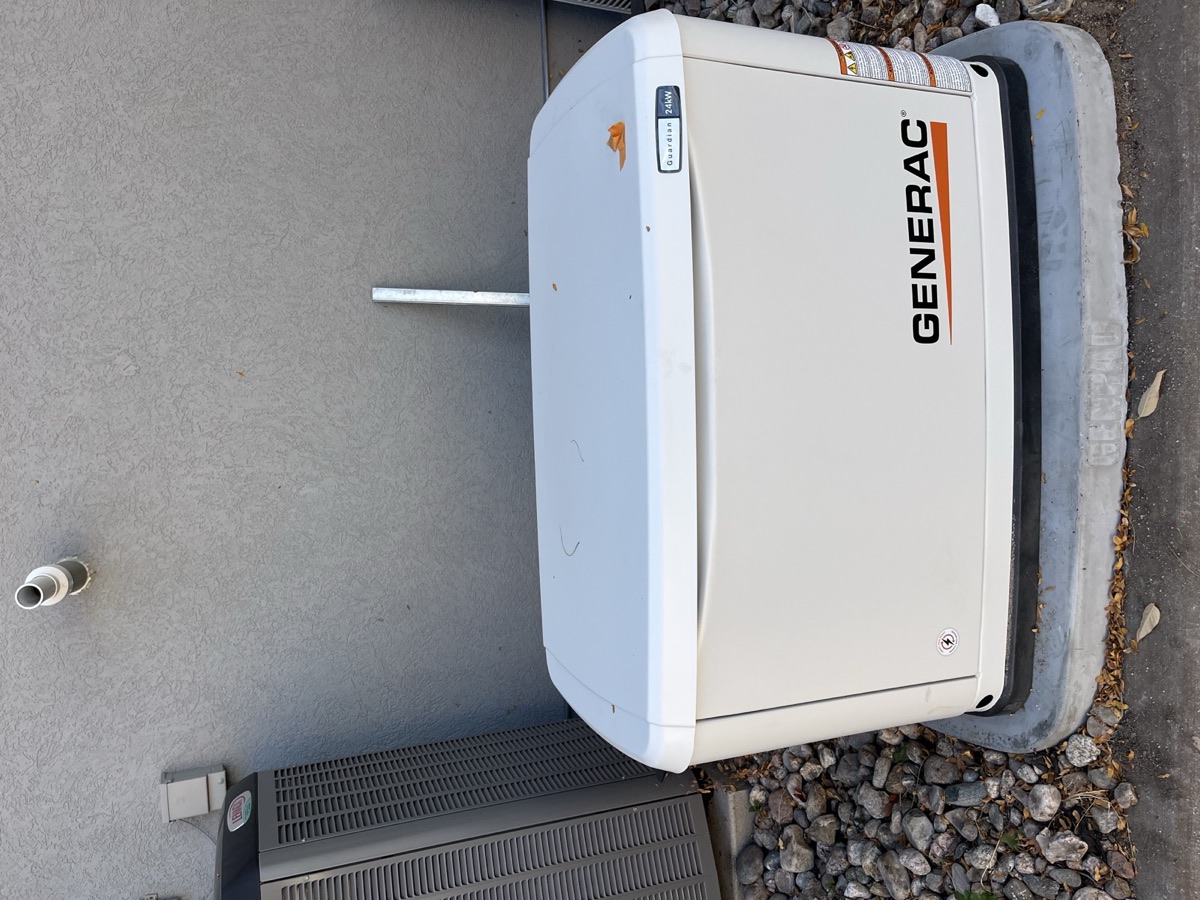
Short answer: About half of Northern Colorado homes need a panel upgrade before an EV charger can go in. Half don’t. The only way to know is a load calculation — a 20-minute on-site calculation called NEC 220.82, not a guess from the driveway. If an electrician quoted you a $7,000 panel upgrade without opening your panel, get a second opinion.
This Reddit post captures the moment exactly:
“Picking up my EV next week and getting some quotes for the charger installation and 2 electricians advised me to change my electric panel.”
The car arrives in seven days. Two electricians have already recommended a $7,000–$10,000 panel upgrade. One of them didn’t open the panel cover. A third quoted $250 with no permit, by text message. You’re at the kitchen table trying to figure out which of them is actually telling you the truth.
Here’s the honest answer from 20 years of doing this work in Fort Collins, Loveland, Greeley, and the surrounding area: both extremes are usually wrong.
About half of NoCo EV charger jobs need a panel upgrade. Half don’t.
That’s not a rounding error — it’s what the field data looks like across two-plus decades of EV charger work in Northern Colorado.
“We’re seeing close to about a 50 split there.”
— Jon Trujillo, Master Electrician
The reason for that split is the NoCo housing stock. A significant number of homes across Fort Collins, Loveland, and Greeley were built in the 1960s and 1970s — and many of those still have 100-amp service. A dedicated 50-amp EV charger circuit on a 100-amp panel is a meaningful load, and whether there’s room for it depends entirely on what else is drawing from that panel.
The 2000s-and-newer builds — Harmony corridor, Windsor, Johnstown, newer Loveland developments — usually came with 200-amp service. Many of those homes install directly on the existing panel without touching the service.
Neither category is automatic. The answer comes from running the numbers on your specific home.
The national data that’s been cited widely — “only 20% of homes need an upgrade” from QMerit — reflects a different mix of housing stock than what we see in NoCo. Our 50/50 is honest. If you’re in a 1972 ranch in north Loveland, you’re not a national average.
How we actually decide: NEC 220.82 on the first site visit
The standard that matters here is NEC 220.82 — the National Electrical Code’s optional load calculation method for existing dwellings. It tallies your home’s actual electrical loads (heating, cooling, lighting, appliances) and determines your current utilization. Then it layers in the new EV charger circuit and shows whether your panel can handle the addition.
NEC 220.82 typically produces a lower load figure than the older NEC 220.40 method. This is why there’s been a surge of online content in 2026 arguing that “most homes don’t need a panel upgrade.” A Master Electrician who went viral on X — over a million people saw the thread — argues that 70–80% of homes don’t need an upgrade using NEC 220.82.
He’s right that 220.82 gives a lower number. He’s not right that the answer is always “no upgrade needed.” The right answer depends on your home, and in Northern Colorado, it’s about 50/50.
“Installation for an EV charger requires a 50 or 60amp circuit for a level 2 home charger. So what we have to do is come evaluate your electrical panel, make sure that you don’t have 100amp service to be able to run additional 50amps of power for your level 2 charger.”
— Jon Trujillo, Master Electrician
The key word is evaluate. Not assume. Not guess from the curb. We run the load calc on the first visit, before we write a number on a quote sheet.
“We come meet the customer on site, kind of figure out what their future plans are… Then we kind of just go over what current amperage they have at the home, discuss their future needs for power and then run a calculation from there to let them know what they’ll need to accommodate all their electrical needs.”
— Jon Trujillo, Master Electrician
One site visit. One load calculation. Covers the EV charger sizing, whether the panel needs an upgrade, and future plans — second EV, hot tub, generator, shop — all at once.
Signs the answer is probably YES — you need a panel upgrade
These patterns show up consistently in the half of our NoCo jobs that require an upgrade. They’re not guarantees — the load calc is the only way to know for certain — but they’re strong signals:
- 100-amp service with electric heat, a heat pump, or an electric dryer. Electric heating is a heavy draw. A 100-amp panel running a heat pump or electric baseboard typically doesn’t have 50 amps of spare capacity for an EV circuit.
- Your home was built before 1980 and you haven’t upgraded the service since. Most original 100-amp services from that era in NoCo haven’t been touched.
- Two EVs are coming into the household, or a Cybertruck or Lightning with bidirectional charging planned. Two Level 2 chargers at 50 amps each is 100 amps of new load. That almost always needs a panel upgrade regardless of what else is in the house.
- You’ve already been adding circuits — a shop sub-panel, a hot tub, a bathroom renovation — and the panel is physically full.
“If they don’t have 200amps at that point and they want two level two chargers, it’s definitely we’re looking at upgrading their service to a 200amp.”
— Jon Trujillo, Master Electrician
Also see: Signs you need an electrical panel upgrade
Signs the answer is probably NO — you can install on what you have
- 200-amp service, gas heat, gas dryer, gas range. A 200-amp panel with gas appliances tends to have real headroom. This is the single most common “install on existing” scenario we see.
- Your home was built after 2000 and hasn’t been heavily modified. Newer construction typically sized the panel for modern loads.
- Your panel has open slots for a dedicated double-pole 50-amp or 60-amp breaker, and the load calc shows capacity.
Even in these favorable scenarios, the load calc can surface a surprise — an electric water heater, a large hot tub, or breaker slots that are full. We’ve seen 200-amp panels that were maxed out before the EV charger was ever a conversation. This is why we run the calc on every visit, not just on the “obvious” cases.
If the answer is YES: what a panel upgrade actually costs in Northern Colorado
A 100-amp to 200-amp service upgrade in a NoCo home runs $3,400–$5,500 complete in 2026. Here’s what drives the range:
| Factor | Cost impact |
|---|---|
| Meter base condition | Good = lower. Corroded or damaged = +$400–$800 |
| Panel relocation needed | Staying in place is cheaper. Moving it = +$600–$1,200 |
| AFCI/GFCI breaker requirements | Colorado code adoption means most panels need AFCI on living areas |
| Whole-home surge protection | Often added at upgrade time — $200–$400 |
| Xcel utility coordination | Requires scheduling a disconnect/reconnect — adds 1–2 days to the timeline |
When the load calc says you need a panel upgrade, we quote both the upgrade and the EV charger together as one flat number. One job, one quote, one crew visit where possible.
See: 200-amp service upgrade cost guide for Northern Colorado
If no upgrade is needed, the EV charger install alone runs $800–$2,500, depending on conduit run length from the panel to the charger location, hardwired versus NEMA 14-50 outlet, and whether your city requires a heat detector (more on that below).
Full breakdown: Cost to install an EV charger in Colorado
When you might avoid a full panel upgrade: load management and alternatives
If your load calc lands right on the borderline — not clearly “yes upgrade” or “clearly fine” — there are options worth knowing before committing to a full service upgrade:
Dynamic load management. A smart EV charger paired with current-sensing clips on your panel can throttle charger output when the rest of the house is drawing heavily, preventing the panel from hitting its limit. Some borderline 100-amp homes get away with a Level 2 charger this way. It works best for homeowners who can charge overnight when the home load is low anyway.
A lower-amp circuit. A 40-amp circuit (32 amps continuous) is one step down from a full 50-amp hardwire but can charge most EVs to full overnight. On a tight 100-amp panel, that 10-amp difference can be enough to make the load calc work without an upgrade.
Using an existing 14-30 dryer receptacle. If you have a gas dryer and a spare 14-30 outlet, some homeowners bridge to Level 2 charging at 24 amps (~18–20 miles per hour of charge) while they wait for a scheduled panel upgrade. Not a long-term plan, but it keeps the car charged while you sort out the timeline.
None of these are the right answer for a 1970s NoCo home with electric heat and two EVs on order. But for the borderline cases, they’re worth walking through before writing a check for a $4,000 panel upgrade.
Fort Collins, Longmont, and Broomfield: the heat detector code most installers don’t mention
One item that catches homeowners in Fort Collins and Longmont off guard: both cities require a heat detector installed in the garage when an EV charger is added. It’s a local jurisdiction code — not a national NEC requirement yet. If an electrician who pulled a permit didn’t mention it, it’s coming at inspection time.
“They’re real particular now that they’re starting to want heat detectors installed in garages. So if you’re looking at getting electrical vehicle charger installed in your garage now we have to do additional work to come off of your smoke detector system and install a heat detector in your garage. So if something was to heat up or catch fire as you’re charging your vehicle, then it’s going to be notifying the household if you had any emergency situations.”
— Jon Trujillo, Master Electrician
Which cities require it:
- Fort Collins — yes
- Longmont — yes
- Broomfield — yes
- Loveland — not currently required
- Windsor, Greeley, Johnstown — not currently required
“It’s not a national electrical code as of yet, but I see that definitely coming in the future.”
— Jon Trujillo, Master Electrician
We quote the heat detector adder on the first visit for any Fort Collins or Longmont job — not at the inspection. You see the full cost before you sign.
Frequently asked questions
Can a 100-amp panel handle an EV charger?
Sometimes. It depends entirely on what else is running from that panel. A 100-amp panel with gas heat, gas dryer, and gas range often has headroom for a Level 2 charger circuit. A 100-amp panel with electric heat or a heat pump almost never does. The load calculation is the only way to know which situation applies to your home.
Do I really need a panel upgrade, or is the electrician upselling me?
Some electricians do upsell unnecessary upgrades. The honest answer is that about half the time in Northern Colorado, a panel upgrade is genuinely necessary — and about half the time it isn’t. The way to protect yourself: ask the electrician to show you the load calculation, in writing, before you agree to anything. If they quoted a panel upgrade without running NEC 220.82 or explaining the math, that’s a signal.
What is NEC 220.82 and why does it matter for EV charger installation?
It’s the National Electrical Code’s optional load calculation method for existing homes. It uses your home’s actual electrical usage rather than applying a worst-case formula (the older NEC 220.40). NEC 220.82 typically produces a lower calculated load — which means more homes qualify to add an EV charger circuit without a full panel upgrade. Electricians who default to NEC 220.40 on every home will recommend panel upgrades more often than the code actually requires.
How long does an EV charger installation take?
Charger-only install (no panel upgrade): typically 2–4 hours. Panel upgrade + EV charger together: usually a full day, sometimes split across two days when Xcel utility scheduling is needed. We try to combine both into a single crew visit to keep your outage window short.
Should I hardwire the EV charger or use a NEMA 14-50 outlet?
Hardwired supports up to 48 amps — about 2 hours faster on a full charge compared to a 14-50 plug-in at 42 amps. The 14-50 outlet is more flexible if you ever want to unplug the charger for a welder or garage heater. Both require the same 240V 50-amp dedicated circuit. We recommend hardwired for EV-only setups; plug-in for garages that need the outlet for multiple purposes. More details on the EV charger installation service page.
Last reviewed by Jon Trujillo, Master Electrician — May 2026.