The electrical panel upgrade vs subpanel question comes down to one distinction: a subpanel adds breaker space, a panel upgrade adds capacity. If your main panel is out of slots but your 200-amp service still has headroom, a subpanel solves it for a fraction of the cost. If your home is on 100- or 125-amp service and you’re adding an EV charger, heat pump, or hot tub, a subpanel won’t help — the bottleneck is the service itself, and you need the upgrade. An electrician settles it on the first visit with an amperage reading and a load calculation, not a guess.
One question comes up constantly in electrician forums: “Can I just add a subpanel, or do I need to upgrade the whole panel?” The answers are usually all over the map, because the honest response depends on numbers the person asking doesn’t have yet.
Here’s the distinction most articles bury, stated up front: a subpanel adds breaker space. It does not add capacity. Every circuit in a subpanel still feeds from your main panel, through your main breaker, off the same utility service. If your service is the bottleneck, a subpanel rearranges furniture inside a room that’s still the same size.
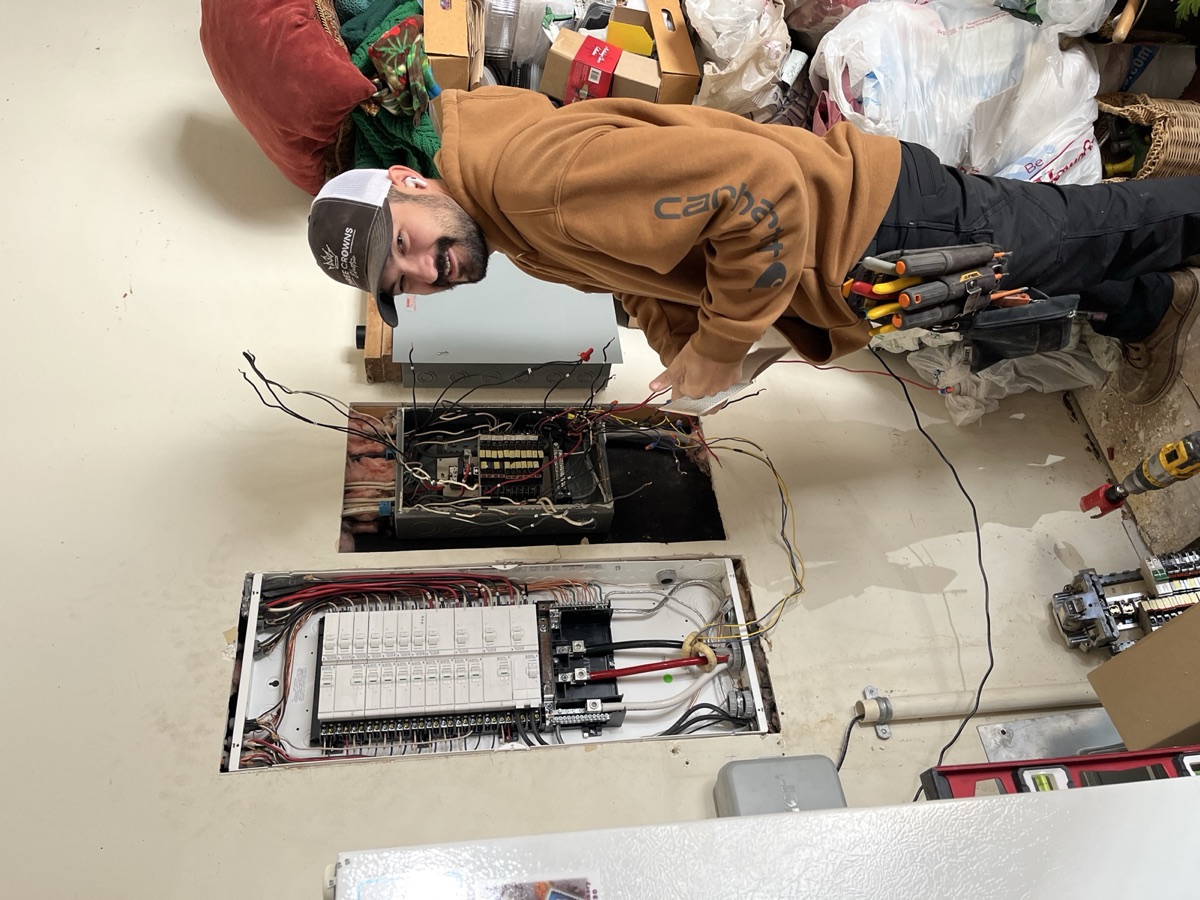
Jon Trujillo, the Master Electrician behind Three Crowns Electric, has roughly 2,000 panel upgrades behind him across Northern Colorado — 1970s ranches in Fort Collins and Loveland, mid-century Greeley builds, newer Windsor homes hitting their limits with EV chargers. On his jobs the subpanel-vs-upgrade decision isn’t a judgment call. It’s a measurement.
The short answer: a subpanel adds space, a panel upgrade adds capacity
Two different problems get lumped together under “my panel can’t handle it”:
Problem 1: no room for more breakers. Your panel’s slots are full. You want to add a circuit — for a basement finish, a shop, a hot tub — and there’s nowhere to land it. The service (the amperage coming into the house) may be fine.
Problem 2: not enough power. Your home already draws close to what the service can deliver. Adding a big load — EV charger, heat pump, electric range — would push past it. Empty slots don’t matter; the main breaker and the utility service are the ceiling.
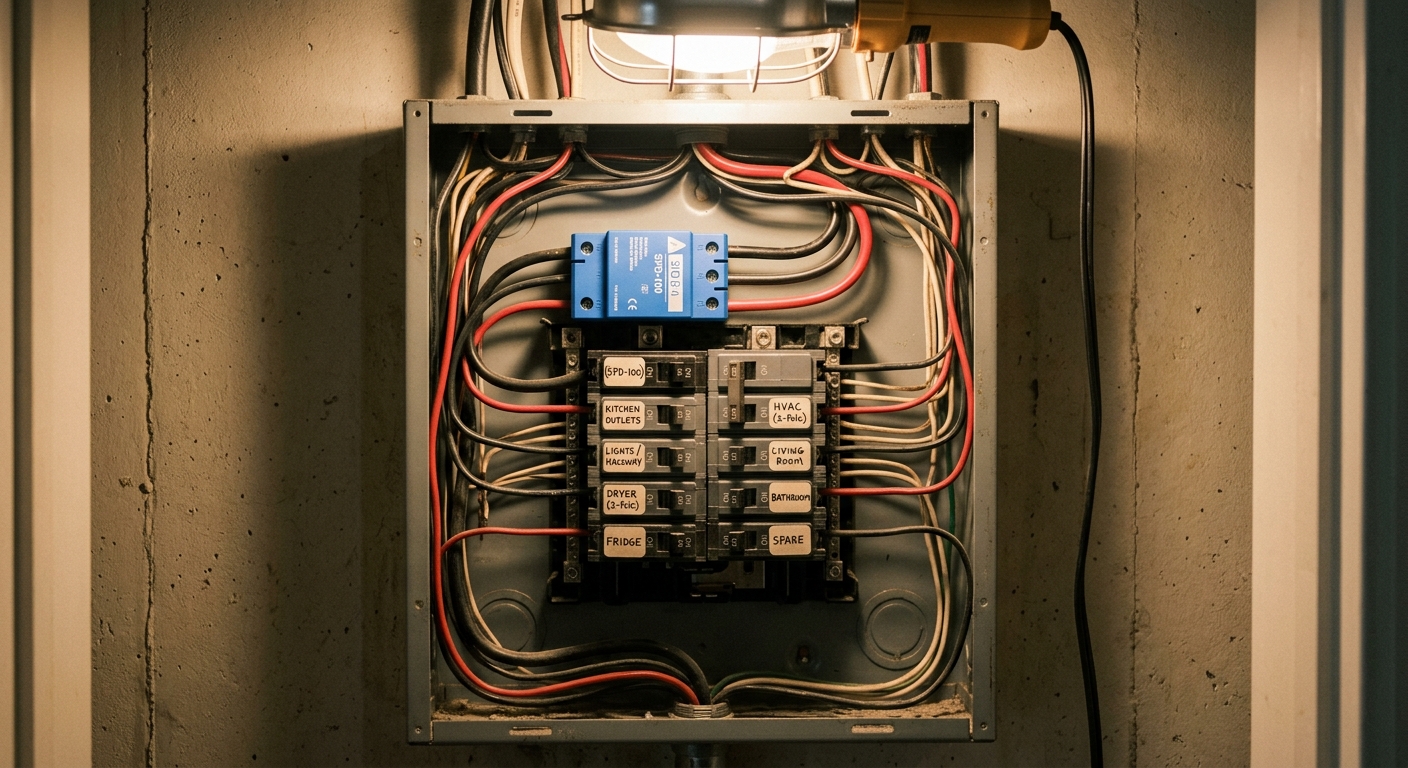
A subpanel fixes problem 1. It’s a smaller second panel, fed by one double-pole breaker in your main panel, that gives you a new set of slots. A panel upgrade (usually to 200-amp service) fixes problem 2: new meter base, new main panel, new main breaker, higher service rating, coordinated with Xcel or Poudre Valley REA.
The expensive mistakes happen when someone solves the wrong problem — pays for a subpanel that still trips the main breaker, or pays for a full service upgrade when a subpanel would have done the job.
How an electrician decides on the first site visit
There’s no eyeballing it. The deciding tool is a measurement of what your home actually draws, followed by a load calculation. Here’s Jon describing his process:
“We do an amperage reading and check out what their home is drawing for power. And then we kind of let them know where they’re at with their power usage now.”
— Jon Trujillo, Master Electrician
From there it’s arithmetic. Take the reading, add the loads you’re planning — a 48-amp EV charger, a 50-amp hot tub, a 40-amp heat pump — and compare the total against your service rating with an NEC load calculation. Three outcomes:
- Plenty of headroom, panel full. The service can carry the new load; you just need somewhere to land the breakers. Subpanel.
- Headroom is gone. The new load pushes the calculation past what the service supports. Panel upgrade — no subpanel changes this math.
- Borderline. The load calc decides it. This is where an electrician who runs the numbers earns their fee, because a guess in either direction costs you money.
Three Crowns runs this on a free on-site visit, and the technicians doing it are salaried, not commission-based. That matters here more than almost anywhere else in residential electrical: the two answers differ by thousands of dollars, and the person measuring has nothing to gain from steering you to the bigger one. If the reading says a subpanel covers it, that’s the quote you get.
When a subpanel is the right call
Three scenarios come up again and again across Northern Colorado where the subpanel wins.
1. The main panel is full, but the service has headroom
Typical case: a 200-amp service, every slot taken — sometimes with tandem breakers already doubling up — and you want to add two or three circuits for a basement finish or workshop. The amperage reading shows the home cruising well under its rating. There’s no capacity problem; there’s a real-estate problem inside the panel. A 60- or 100-amp subpanel fed from the main gives you the slots without touching the service, the meter, or the utility.
2. A detached garage, shop, or ADU
If you’re powering a building that isn’t your house — a detached garage in Greeley with a welder and an air compressor, a shop in Wellington, a backyard ADU — a subpanel in that building is the standard answer. One feeder runs from the main panel; the subpanel handles distribution locally, with its own disconnect, instead of six individual circuits pulled across the yard. For serious shop loads, Jon’s crew has taken homes up to 320-amp service — but that’s a service question, decided by the same load calc, and most detached buildings never need it.
3. Long circuit runs to one corner of the house
A basement finish on the far side of the house, or a hot tub on the back corner of the lot: if several new circuits all terminate in the same distant spot, one feeder to a subpanel near that spot is often cleaner and cheaper than running each circuit individually back to the main panel. Shorter home runs, easier future additions, one point of local shutoff.
What all three share: the service passed the load check. That’s the gate. Skip the check and a subpanel is a coin flip.
When a subpanel is the wrong call
The mirror image — three scenarios where a subpanel spends money without solving the problem.
1. The service is already near capacity
If you’re on 100- or 125-amp service — what Jon finds in most of the older housing stock from Boulder up to Wellington — and the house already runs central AC and a hot tub, the amperage reading usually shows very little headroom. Feeding a subpanel doesn’t create any. Every subpanel circuit still passes through the same main breaker, and when the total draw exceeds it, the whole house goes dark. If the reading says the service is the ceiling, the answer is a 200-amp service upgrade, and pretending otherwise just delays it.
2. The main panel is recalled or deteriorated
Federal Pacific, Zinsco, and Challenger panels have breakers with a documented history of failing to trip under fault — Jon has personally shorted FPE breakers in testing and watched them weld instead of tripping. Feeding a new subpanel from one of these means every new circuit depends on a recalled breaker doing a job it demonstrably fails at. Same logic for a panel with a burned bus bar or heat-damaged lugs. You don’t build an addition on a cracked foundation. The main panel gets replaced first; if your panel shows the signs it needs an upgrade, the subpanel conversation is over before it starts.
3. You’re adding EV-charger-plus-heat-pump scale load
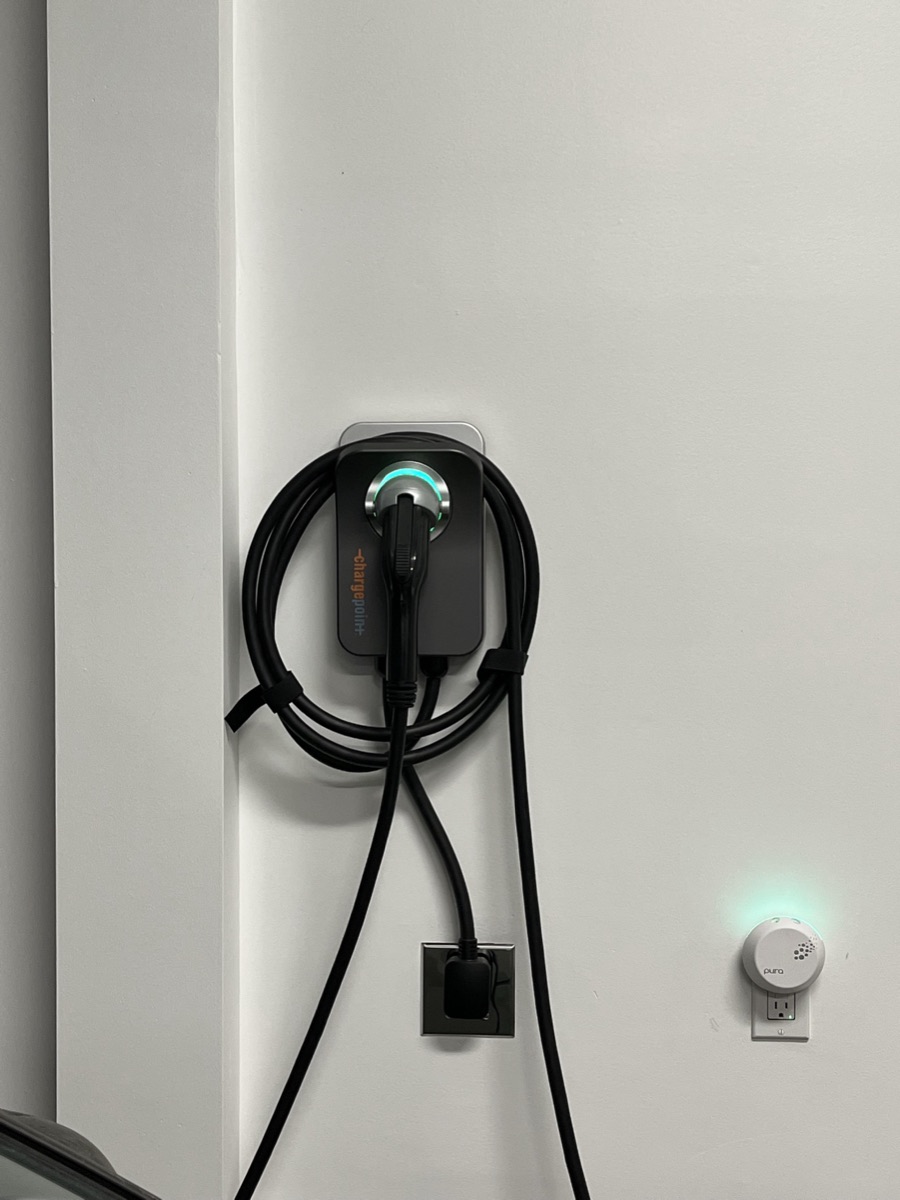
One 20-amp circuit is a subpanel-sized question. An EV charger at 48 amps, a heat pump, an induction range — that’s a service-sized question. Roughly half the EV charger installs Three Crowns quotes end up needing a panel upgrade, and the pattern is consistent: the 1970s panel was near its limit before the car showed up. If your next few years include electrifying heat, cooking, or driving, run the numbers against the panel size guide first. Upgrading the service once is cheaper than doing the subpanel now and the upgrade in two years anyway.
Subpanel vs panel upgrade: side by side
| Subpanel | Panel upgrade (200A) | |
|---|---|---|
| What it adds | Breaker space | Service capacity (and space) |
| Solves | Full panel, long runs, detached buildings | Underpowered service, recalled panels, electrification |
| Does NOT solve | An overloaded service | — |
| Utility involved (Xcel/PVREA) | No | Yes — disconnect, reconnect, sometimes a new drop |
| Permit + inspection | Yes | Yes |
| Power outage during work | Brief | Roughly 4–6 hours on install day |
| Typical cost in NoCo | A fraction of a full upgrade — quoted after the load check | $2,800–$4,500 |
| Decided by | Load calculation | Load calculation |
What each option costs in Northern Colorado
A 200-amp panel upgrade in Northern Colorado runs $2,800–$4,500. What moves the number inside that range:
- Meter base also needs replacement: adds $600–$1,200
- Panel relocation: adds $800–$1,500
- AFCI/GFCI breakers required by current code: roughly $200–$400
- Permit and utility coordination: $150–$300, and Three Crowns handles the scheduling with the building department and the utility — you don’t call anyone
On Three Crowns upgrades, whole-home surge protection is included rather than sold as an add-on, and the price goes on paper before work starts.
A subpanel install varies more, because the job is mostly wire and distance: a 60-amp subpanel two feet from the main panel is a different day than a 100-amp feeder trenched to a detached shop. It’s typically a fraction of a full upgrade, and the honest way to price it is the same way the decision gets made — after the load check, based on your panel and your run. That’s what the free site visit is for.
One cost trap worth naming: if the load calc says you need the service upgrade, money spent on a subpanel first is usually money spent twice.
If you upgrade the main panel, what happens to your existing subpanel?
Common situation in NoCo basements: a small subpanel already in the utility room from a past project, and now the main panel needs the full upgrade. It doesn’t get orphaned. Here’s Jon:
“If there’s a secondary sub panel in the basement or in another utility room, then we include that in the upgrade. So all of your main panels between your main distribution panel and sub panels would be all updated with newer breakers that are up to code their arc fault GFCI breaker ratings.”
— Jon Trujillo, Master Electrician
The whole distribution system — meter base, main panel, subpanels — comes up to current code together, so you’re not left with 1980s breakers hanging off a 2026 service.
When to call a licensed electrician
Either version of this work is permitted electrical work in Colorado, involves the service equipment, and isn’t a DIY project. Call sooner rather than later if:
- Your panel is full and you’re planning a basement finish, shop, hot tub, or EV charger
- Breakers trip when normal appliances run together — that’s a capacity symptom, not a space symptom
- Your panel is a Federal Pacific, Zinsco, or Challenger, or shows heat marks, buzzing, or corrosion
- You’ve had one quote for a subpanel and another for a full upgrade on the same job, and nobody has measured anything
That last one is the tell. If a contractor recommends either option without an amperage reading and a load calculation, you’re getting a guess. The Electrical Safety Foundation and the NFPA both point to overloaded services and aging panels as leading residential fire factors — this is a decision worth making on data.
Three Crowns Electric runs the amperage reading and load calc on a free site visit anywhere in Northern Colorado — Fort Collins, Loveland, Greeley, Windsor, Longmont, Boulder, and the surrounding towns. Salaried technicians, around 2,000 panel upgrades done, and if the numbers say the cheaper option covers you, that’s the one you’ll hear. Free quotes at (970) 460-0014.
Frequently asked questions
Does a subpanel increase my home’s electrical capacity?
No. A subpanel redistributes the capacity you already have — every subpanel circuit still feeds through your main breaker and your existing utility service. If your service is 100 amps before the subpanel, it’s 100 amps after.
Do I need a subpanel or a bigger panel for an EV charger?
Depends on your service and existing loads. On a healthy 200-amp service with a full panel, a subpanel (or even a rearranged panel) can carry a charger fine. On 100- or 125-amp service with AC and other big loads running, the charger usually pushes the load calc past the limit — about half of Three Crowns’ EV charger installs end up needing the panel upgrade. See whether an EV charger means a panel upgrade for the full breakdown.
Can I add a subpanel to a Federal Pacific or Zinsco panel?
You shouldn’t. The feeder breaker protecting the subpanel would be one of the recalled breakers with a documented failure-to-trip problem, and everything downstream depends on it. Replace the main panel first — insurance carriers increasingly require it anyway.
How many amps should a subpanel be?
Most residential subpanels are 60 or 100 amps, sized by the same load calculation that justified the subpanel in the first place. Detached shops with welders or compressors often justify 100 amps; a basement finish may need only 60.
Do subpanels and panel upgrades both require permits in Colorado?
Yes. Colorado requires electrical permits for work involving the service and panel equipment, and both jobs get inspected. The difference is the utility: a subpanel doesn’t involve Xcel or Poudre Valley REA; a service upgrade requires a coordinated disconnect and reconnect.
Is a subpanel cheaper than a panel upgrade?
Almost always — it’s a smaller panel, no meter work, no utility coordination. But it’s only cheaper if it solves your problem. A subpanel added to an overloaded service is the most expensive kind of cheap: you pay for it, the main breaker still trips, and the upgrade is still ahead of you.
Last reviewed by a licensed Master Electrician: August 2026