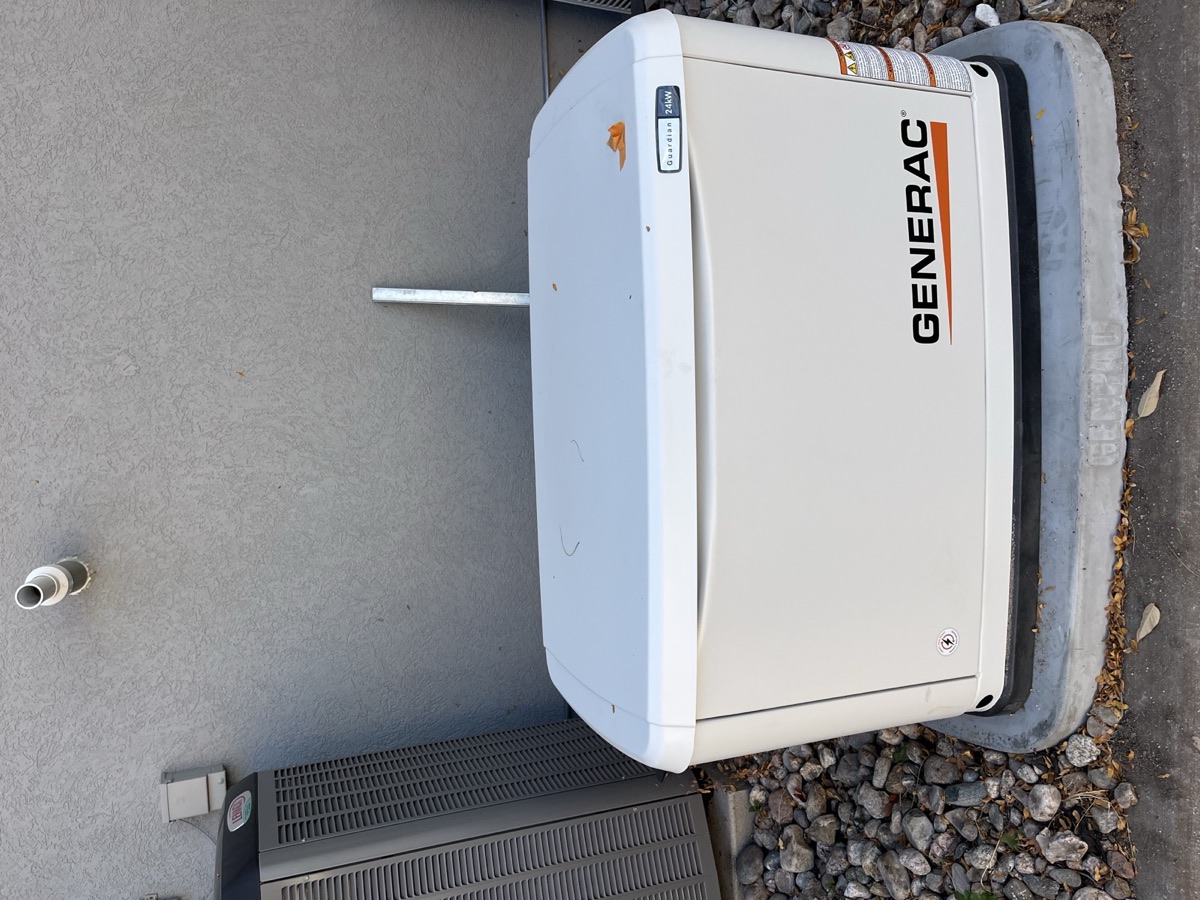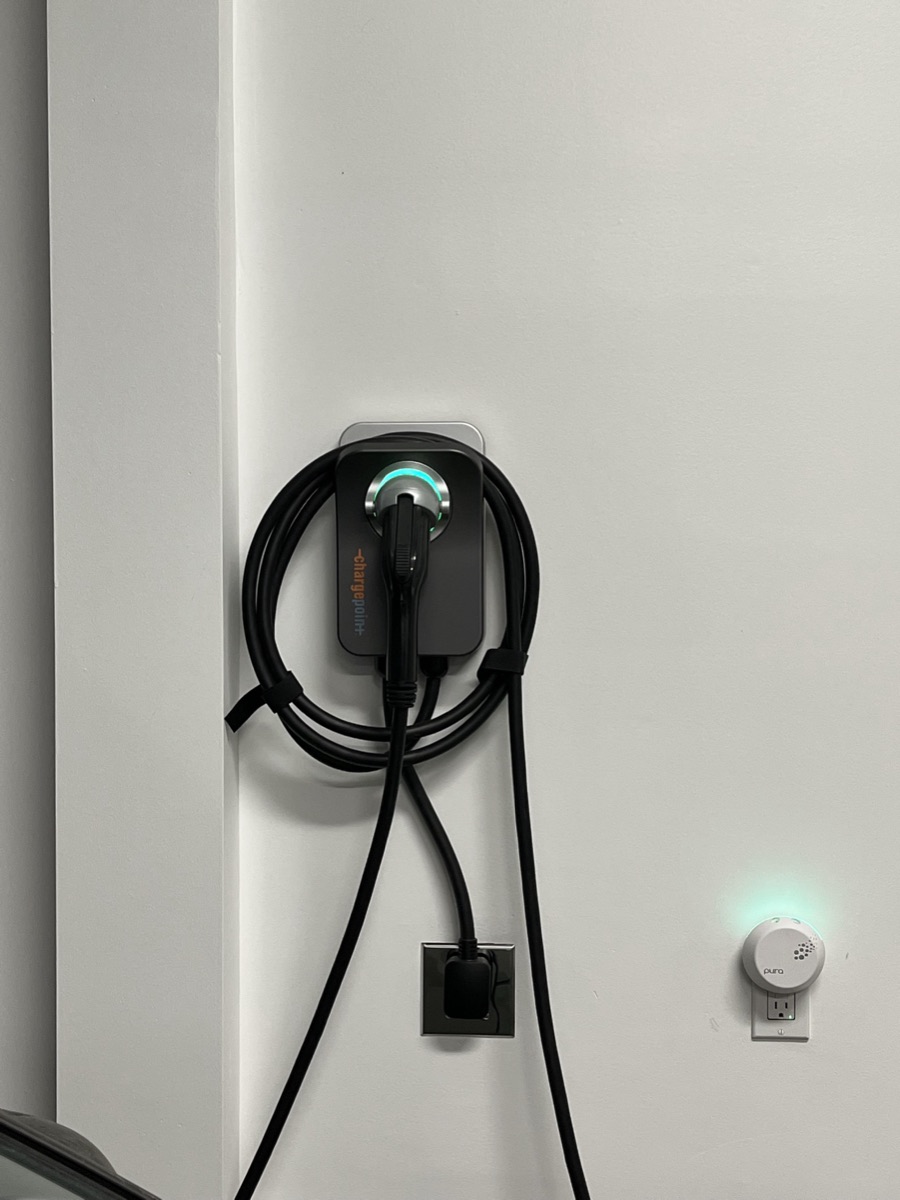
A cold weather kit is a $200-$500 accessory that keeps your generator’s oil pan warmed and the engine block at a temperature where it’ll fire reliably in sub-zero weather. We add it to every Northern Colorado standby generator install as a standard recommendation — Colorado winters are unpredictable, and the failure mode it prevents (a generator that won’t start at -10°F when you actually need it) is exactly the failure you bought the generator to avoid. No national generator brand page mentions this because they don’t know the local climate. We do.
The cold weather kit is the kind of detail that separates an electrician who installs generators across the country from one who actually installs them in Colorado. It’s a small accessory, it costs a couple hundred dollars, and it’s the difference between a generator that works in January and one that doesn’t.
We add it to every standby generator install we do across Northern Colorado. Some homeowners ask if they really need it. The answer in this climate is yes, and here’s why.
What does a cold weather kit actually do?
A cold weather kit is a small electric heating element installed inside the generator enclosure. It does two things:
- Heats the oil pan — keeps engine oil at a temperature where it can actually flow when the engine cranks (cold oil is too thick to lubricate properly during start-up)
- Heats the engine block — keeps the engine itself warm enough to fire reliably regardless of ambient temperature
The heater runs continuously when the ambient temperature drops below a threshold (typically 40°F or 50°F depending on the kit). It draws a small amount of power from the generator’s own onboard circuit (or shore power before grid loss), so it doesn’t drain the battery.
Without it, in genuinely cold weather (below 0°F):
- The oil thickens to where it doesn’t flow during cranking
- The starter motor may not have enough torque to overcome the resistance
- The engine may crank but fail to fire (cold cylinders, slow fuel atomization)
- The ATS may time out waiting for the generator to come online
- Your “backup power” turns out to be no backup at all
For a $200-$500 accessory, you eliminate the failure mode that defeats the entire purpose of having a standby generator.
What Jon’s seen in Colorado winters
“I would say the cold weather kit that’s an accessory to the generator. And with us living in Colorado in the winter time, you know, it’s hard saying what temperatures will be. Luckily it was a mild winter this last winter. But I would highly recommend doing a cold weather kit. And that’s always going to help keep that generator to fire up at the coldest times of the year. That keeps your oil pan heated up, keeps the engine just ready to be fired at all times.”
— Jon Trujillo, Master Electrician
The Colorado winter problem isn’t the average temperature. It’s the swings. A typical NoCo February might see daytime highs in the 50s and overnight lows below zero in the same week. The generator sits at whatever the ambient temperature is — meaning the unit can hit -20°F at 4am, exactly when a winter storm is most likely to take out the power.
We’ve installed generators in Estes Park where ambient lows hit -25°F. We’ve installed them on Wellington farmhouses where the wind chill effective temperature gets even lower. The cold weather kit is the difference between those installs working and being useless.
Where it matters most
| Town | Cold weather kit recommendation | Reason |
|---|---|---|
| Estes Park | Non-negotiable | Sub-zero overnight lows are common Dec-Mar |
| Wellington / Berthoud / rural | Non-negotiable | Open exposure, wind chill, no thermal mass nearby |
| Foothills above Boulder | Non-negotiable | Elevation drops temps faster than valley floor |
| Fort Collins / Loveland / Greeley | Strongly recommended | Sub-zero nights happen 5-15 times per winter typically |
| Boulder / Longmont | Strongly recommended | Same as above |
| Lower-elevation suburban | Recommended | Even mild winters have occasional cold snaps |
For homeowners in lower-elevation Front Range communities (Fort Collins valley floor, central Loveland, Boulder city), the cold weather kit is a hedge — most years you might not need it, but when the bomb cyclone hits and the temperature drops to -15°F for 36 hours, you’ll be glad you have it.
For homeowners in Estes Park, the foothills, or rural areas, it’s not a hedge — it’s required for the generator to function reliably when you’ll actually need it.
Why the national generator brand pages don’t mention this
This is one of the things that surprises homeowners when they read national content vs working with a local installer.
Generac.com, Kohler.com, and Cummins.com all describe cold weather kits as optional accessories. They list them in the spec sheets but don’t push them in their marketing. The reason: they’re selling generators across the entire country, including Florida, Georgia, Texas, southern California — places where cold weather kits are genuinely unnecessary.
Their marketing has to work for everyone. So they don’t push regional accessories that only matter in specific climates.
We sell generators only in Northern Colorado. Every install we do is in a climate where this matters. So we add it to every quote and explain why.
This is the kind of detail that’s hard to get from a national brand site, a national HVAC chain, or an out-of-state electrician quoting a Colorado job. The cold weather kit is the obvious example of regional installation expertise.
How does it factor into the install quote?
We line-item it separately on every NoCo generator quote. Typical line:
| Line item | Cost |
|---|---|
| Cold weather kit (Generac OEM accessory) | $150-$300 |
| Installation labor (typically 1 hour added) | $80-$120 |
| Wiring + control integration | included |
| Total added to generator install | $200-$500 |
For a $14,000 typical Generac install, the cold weather kit adds 1.5-3.5%. It’s a small addition relative to the total project. The cost-benefit is overwhelmingly positive for any NoCo install.
Some homeowners ask us to skip it to save money. We always recommend keeping it in the scope, but the choice is yours. We’d rather you buy a generator with the cold weather kit than skip it and have the generator fail in February.
What other Colorado-specific install considerations matter?
Beyond the cold weather kit, a few other regional details we factor into every NoCo generator install:
- Snow load on enclosure — generator enclosures are rated for snow load, but in heavy snow areas (Estes Park) we sometimes recommend a small snow shelter or roof structure
- Fuel line burial depth — Colorado frost line is 30-36” depending on jurisdiction; gas lines must be below frost line
- Concrete pad reinforcement — frost heave can crack underspec’d pads; we use 4” reinforced concrete with proper subgrade
- Battery insulation — generator batteries lose capacity in cold weather; we use heated battery boxes on units in particularly cold sites
- Exhaust direction — wind direction matters for snow accumulation around exhaust outlets
These details don’t appear on a Generac sales page either. They come from installing standby generators in Northern Colorado for two decades.
The annual service angle
Even with a cold weather kit, generators need annual service to actually work when you need them.
“We set the generator up so it runs every two weeks. So every two weeks the generator is going to kick itself off and it’s going to run for about 15 minutes. And that helps keep the battery charged and maintained. Just helps cycle all the fluids to the generator and just keeps the engine in a healthy running condition.”
— Jon Trujillo, Master Electrician
The bi-weekly self-test cycle keeps the engine exercised, but it doesn’t replace annual service:
- Oil + filter change (annually or every 200 run hours)
- Air filter replacement
- Spark plug replacement (every 200 hours or annually)
- Battery test + replacement when needed
- Cold weather kit check (verify heater is functioning before winter)
We track every generator we install in our service system and schedule annual service automatically. Most customers don’t have to remember when service is due — we do. Without annual service, the cold weather kit alone won’t save a generator that hasn’t been maintained.
For full details on our generator service approach, see our home generators page.
Last reviewed by a Master Electrician: May 5, 2026.
Have a generator install coming up in Northern Colorado, or wondering if your existing generator has a cold weather kit installed? Call (970) 460-0014 for a free site visit or service inspection. We’ll verify whether your current setup is configured for Colorado winter or quote a new install with the cold weather kit included as standard scope.