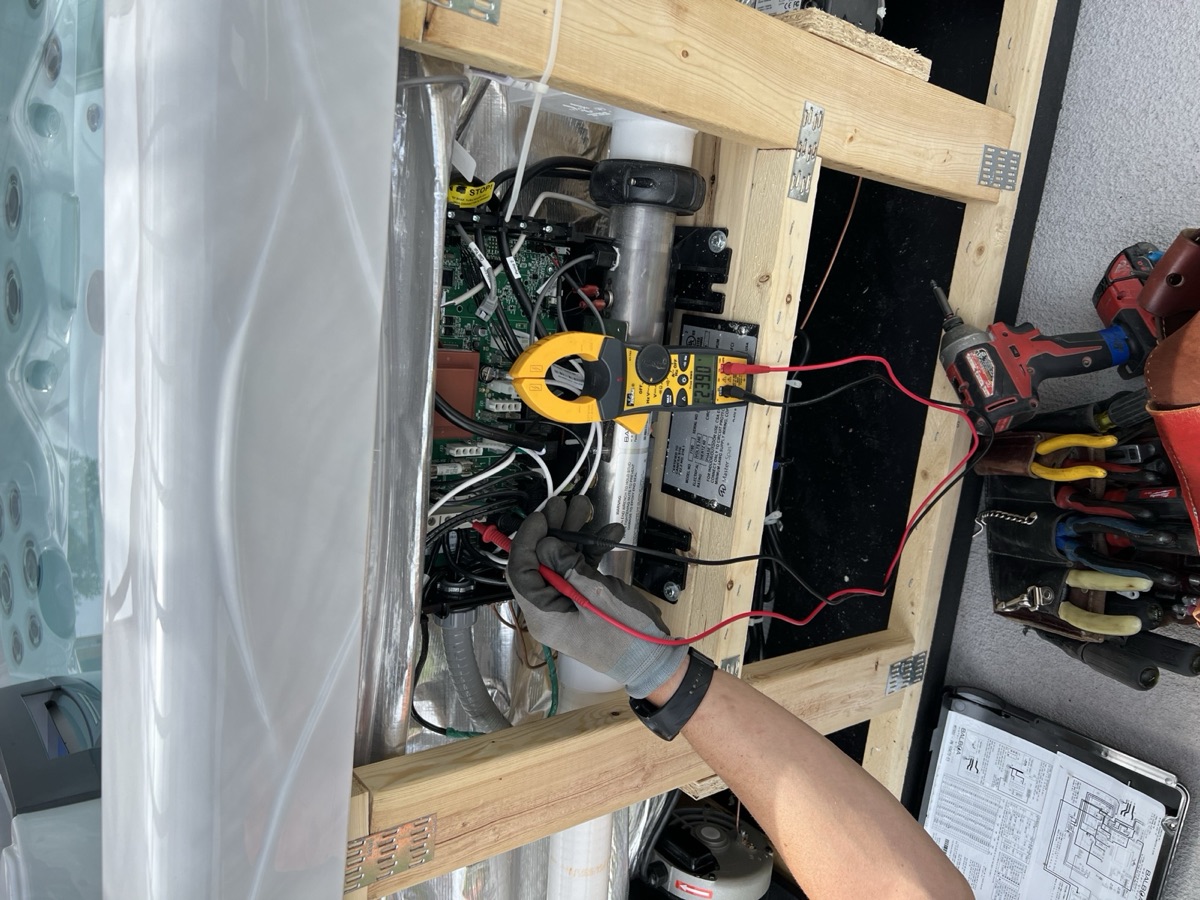
Colorado has been inspecting hot tub and pool wiring to the 2023 National Electrical Code since August 1, 2023, and Colorado began moving new electrical permits to the 2026 edition on August 1, 2026. The 2026 edition keeps the same spa rules homeowners care about (dedicated circuit, GFCI protection, a disconnect within sight of the tub, bonding of nearby metal) and updates the ground-fault protection language in Article 680. Which edition your job is inspected under depends on when the permit is filed and which building department issues it, so ask before the trench goes in.
Which code applies to my hot tub?
The code edition is tied to the permit date, not the tub delivery date. Colorado’s State Electrical Board adopted NEC 2023 effective August 1, 2023, and that is the edition most Front Range spa circuits permitted over the last three years were inspected against. A Denver-area homeowner guide reports that Colorado adopted the 2026 NEC on August 1, 2026, and that residential electrical work permitted on or after that date must meet the new standard, with hot tub and swim spa hookups called out by name. A Colorado hot tub wiring guide says the same thing for Aurora and the state.
Not every source agrees. One statewide permit reference still listed NEC 2023 as the enforced edition after rule revisions earlier this year. Fort Collins, Loveland, Greeley, Windsor, and Longmont each run their own building department, and none of the research we pulled documents a local amendment for spas. If your tub is arriving this fall, the practical answer is simple: whoever pulls the permit should tell you which edition the inspector will use before any wire goes in the ground.
What actually changed in NEC 2026 for spas and pools
Article 680 still governs pools, spas, and hot tubs, and Part IV still covers spas specifically. The change the Colorado sources point to is updated ground-fault protection language in Article 680. In practice, that shows up in how a GFCI disconnect or a spa pack with built-in protection gets selected and installed so it satisfies the inspector.
What didn’t change matters more for most homeowners:
- Every hot tub circuit at 120 or 240 volts needs Class A GFCI protection.
- The disconnect has to be within sight of the tub and at least 5 feet from the water’s edge. Electricians flag disconnect placement as one of the most common spa code violations.
- Metal within reach of the water (rails, frames, a nearby metal fence) gets bonded with #8 solid bare copper.
- Most 240-volt tubs run on #6 copper conductors in a 4-wire setup: two hots, a neutral, and a ground, in outdoor-rated conduit.
The mistakes that fail inspection under either code
The code edition rarely decides whether a spa job passes. The same handful of mistakes fail under both.
Indoor NM cable run outdoors or underground. Aluminum conductors used to save money, which loosen at the lugs under a heavy continuous load and can void the tub’s warranty. Conduit buried 6 to 12 inches instead of the 18 inches commonly required for spa circuits. Northern Colorado’s freeze-thaw cycles crack shallow conduit, fill it with water, and damage the wire inside. A neutral landed on the panel’s bar instead of the GFCI’s load neutral terminal, which causes nuisance trips. And tying a new tub into an old outdoor circuit or a spare breaker without a load calculation first.
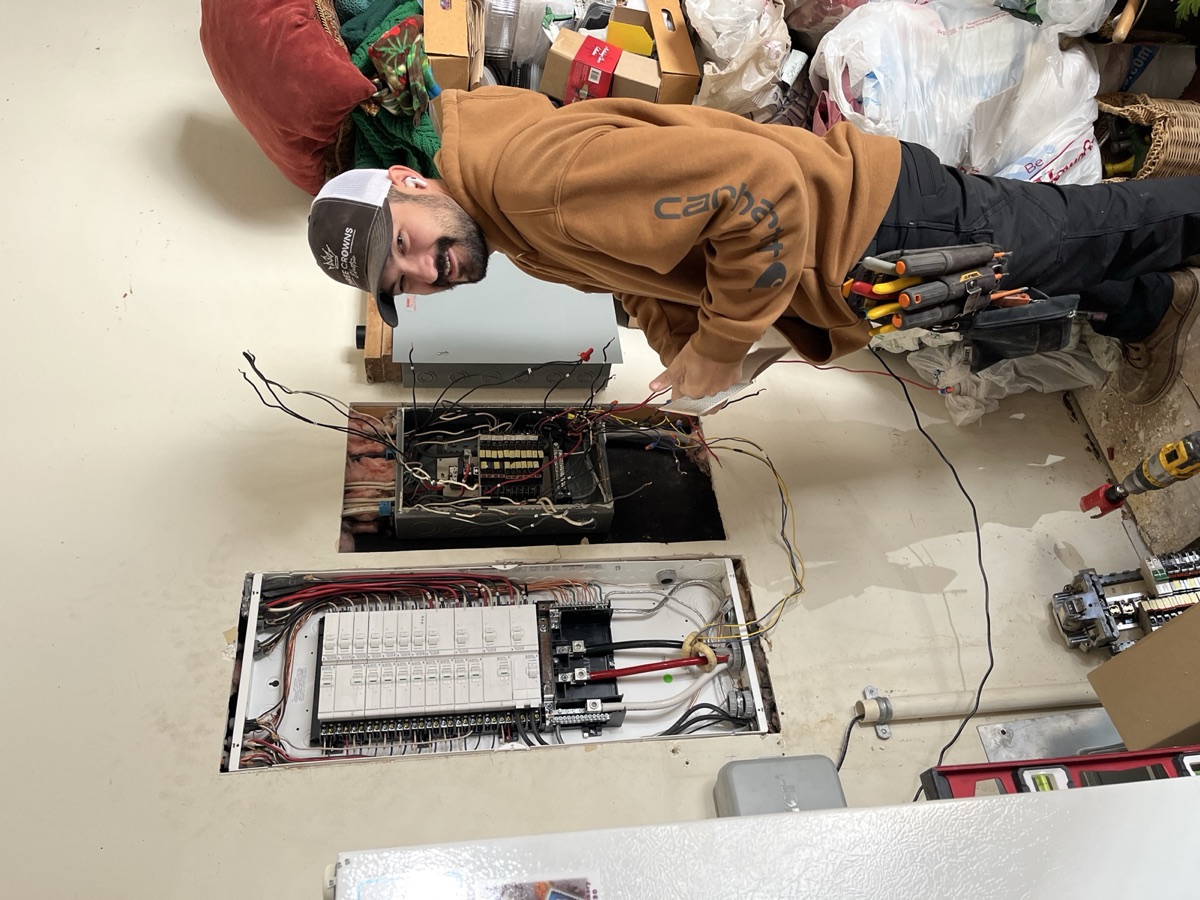
That last one comes up constantly in older NoCo homes. Many of the panels we open are 100 or 125 amps and already carry an AC unit and sometimes an old tub. Before adding a 50-amp spa circuit, we run a load calculation to see whether the panel can take it or whether the job needs a panel upgrade too.
Frequently asked questions
Do I need a permit for hot tub wiring in Colorado?
Yes. Hot tub and swim spa hookups are permit-required electrical work, and the Denver-area guide lists them by name under the 2026 edition. Unpermitted spa wiring can cause problems at resale and with insurance claims after an incident.
Can I plug my hot tub into my existing outdoor 240-volt outlet?
Usually not. A spa needs a dedicated circuit sized to the tub’s nameplate, GFCI protection, and a disconnect in the right spot. An existing outlet was often wired for something else. We check it on site; if it truly meets the tub’s specs and the code, we’ll say so.
Does a wood or composite deck mean I can skip bonding?
No. Bonding rules still apply to metal within about 5 feet of the water, even on a wood deck. The bonding ties that metal together so everything you can touch sits at the same electrical potential.
What we do about it
Three Crowns Electric wires hot tubs and pools across Northern Colorado. We pull the permit, confirm with your building department which code edition it falls under, run the load calculation, and install the circuit, disconnect, and bonding to pass the first inspection. Our work carries a 2-year warranty, and Master Electrician Jon Trujillo stands behind every spa circuit. See our hot tub wiring service or call (970) 460-0014 to get the tub running before the first cold snap.