Colorado moved to the 2026 National Electrical Code as its statewide minimum on July 15, 2026, so any home standby generator permitted now gets reviewed against the new edition. Your city or county can still add stricter rules on top. A home generator is almost always an “optional standby” system under NEC Article 702, and the permit still turns on the same things: a load calculation, the transfer switch, the fuel line, and where the unit sits. Get those on paper before the install and the new code edition doesn’t slow anything down.
A lot of homeowners hear “new code” and assume their generator quote just got more expensive. Usually it didn’t. What changed is the code book the inspector checks against. The paperwork that gets a generator approved looks the same as it did last year — it just has to be right for 2026.
What actually changed this year
Colorado adopted the 2026 NEC as the statewide electrical minimum, effective July 15, 2026. That’s the floor. Fort Collins, Loveland, Greeley, Windsor, Longmont, and Boulder each run their own permitting, and any of them can adopt local amendments. If you live outside city limits, the county usually has jurisdiction instead.
Our research didn’t turn up a generator-specific rule change in any of those cities this year. So the practical change is this: a quote that just says “meets Colorado code” isn’t enough. Ask your electrician to name the jurisdiction, the code edition it’s enforcing, and any local amendments, in writing.
What the permit office wants to see
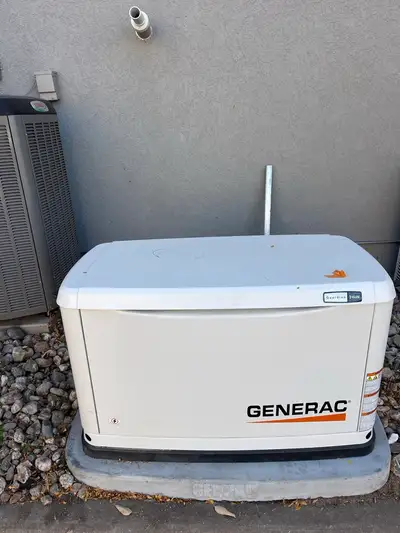
A whole-house generator ties into your service through a transfer switch, runs on a fuel supply, and sits outside near windows and doors. Each of those pieces gets reviewed. On our own installs, Jon Trujillo describes the paperwork like this:
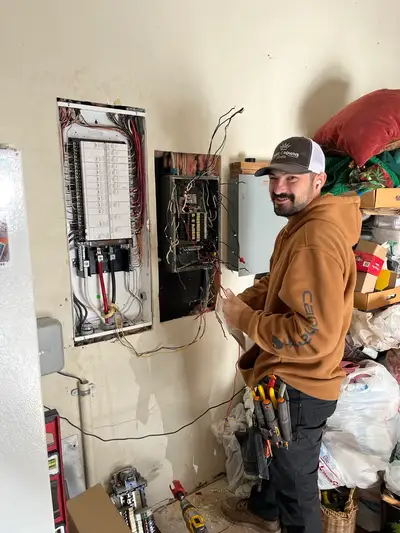
“We have to send permitting paperwork off to local authorities. We have to provide them with one line drawings showing where the generator is going to be set, what wire sizes are going to be routed, what size of gas line is going to be prepared for the generator.”
— Jon Trujillo, Master Electrician
The electrical permit covers the generator, transfer switch, feeders, grounding, and bonding. A natural gas or propane connection usually needs its own gas or mechanical permit. In Fort Collins, an added generator circuit is permitted, inspected work, and fuel-fired equipment can pull in Poudre Fire Authority requirements. Greeley requires a permit before regulated electrical wiring is installed or altered, and an inspection after.
Mistakes that hold up a generator permit
- Sizing by square footage. A furnace, well pump, sump pump, or AC has a starting surge well above its running load. A written load calculation is what reviewers and good installers both rely on.
- Leaving the fuel side for last. Gas pipe size, pressure, and meter capacity decide whether the unit runs under load. If that’s an afterthought, the whole job waits on it.
- Picking the convenient spot. Clearances from doors, windows, vents, and combustibles get checked. In Northern Colorado, plan for snow too — the intake and exhaust have to stay clear after a storm.
- Not mentioning solar or a battery. If you already have either, the generator and transfer equipment have to be designed with it, not bolted on.
Frequently asked questions
Who pulls the permits, and how long does approval take?
Your installer should pull every permit — electrical, gas, and anything else your jurisdiction requires — and handle inspections and any corrections. Timing depends on the city or county. On our installs, Jon puts the lead time from the estimate visit to installation at about two weeks.
Will I need a new electrical panel or a bigger gas line?
Sometimes. The load calculation and a look at your panel and gas meter answer that before you sign. If the panel lacks capacity or the gas line is undersized, that should be in the quote up front, not found on install day.
Does the generator really switch on by itself?
Yes, if it’s installed with an automatic transfer switch. A good install ends with a simulated outage so you can watch the unit start, take the load, and hand power back to the utility.
How Three Crowns handles it
We draw the one-line, run the load calculation, coordinate the gas side, pull the permits, and schedule inspections, so you deal with one company instead of three. Our salaried technicians stand behind every install with a 2-year warranty, and we’re 5.0 on Google. See our home generator installation service or call (970) 460-0014 to set up a site visit.