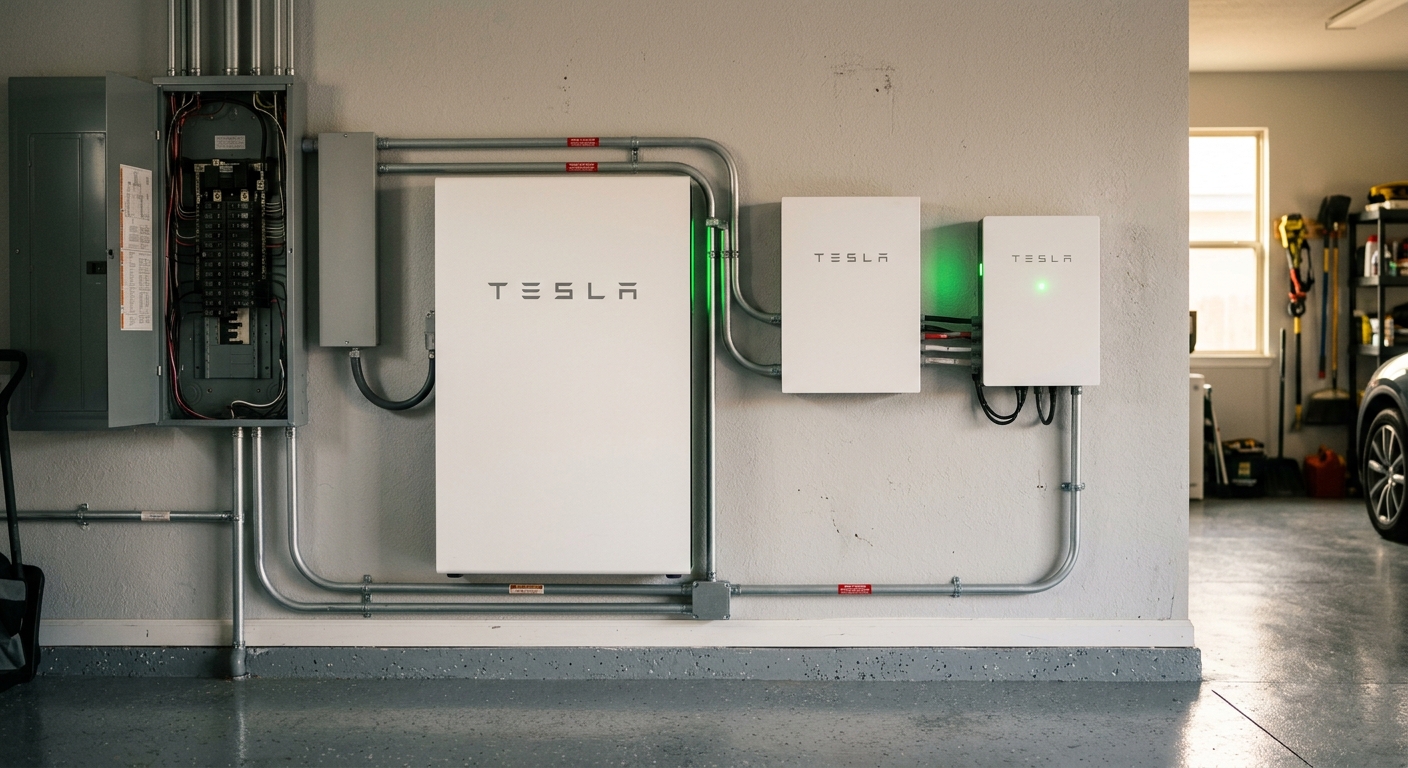
Colorado’s Electrical Board approved the 2026 National Electrical Code in May 2026 with an effective date of August 1, 2026, so most new-home permits submitted since then are reviewed against the new edition. Denver’s published policy keeps projects submitted before August 1 on the 2023 code, but each Northern Colorado building department sets its own transition rules and amendments. Before you submit, confirm which edition your permit falls under, which jurisdiction actually inspects your lot, and that your load calculation covers what you’ll add in the next ten years.
Which code edition will my new home be permitted under?
The submittal date decides it, not the day framing starts. The state approved NEC 2026 in May and set August 1, 2026 as the effective date. Denver’s implementation guidance says plans submitted for review before August 1 can stay on the 2023 edition, and new submittals after that date use 2026.
Northern Colorado doesn’t have one tidy answer. Fort Collins, Loveland, Greeley, Windsor, Longmont, and Boulder each run their own building department and can keep local amendments, inspection procedures, or transition rules on top of the state baseline. If your lot is outside city limits, the county may be the authority instead. Ask your builder or electrician to put the code edition and the inspecting jurisdiction in writing before the permit goes in.
What homeowners are asking before rough-in
The question we hear most is some version of “what should the electrician do now while the walls are open?” That usually comes down to a few decisions:
- Service size. People ask whether 200 amps is enough or whether they should go bigger. The answer comes from a load calculation, not a rule of thumb.
- Spare panel spaces. Leaving room for a future EV charger, shop circuit, or basement finish is cheap now and expensive later.
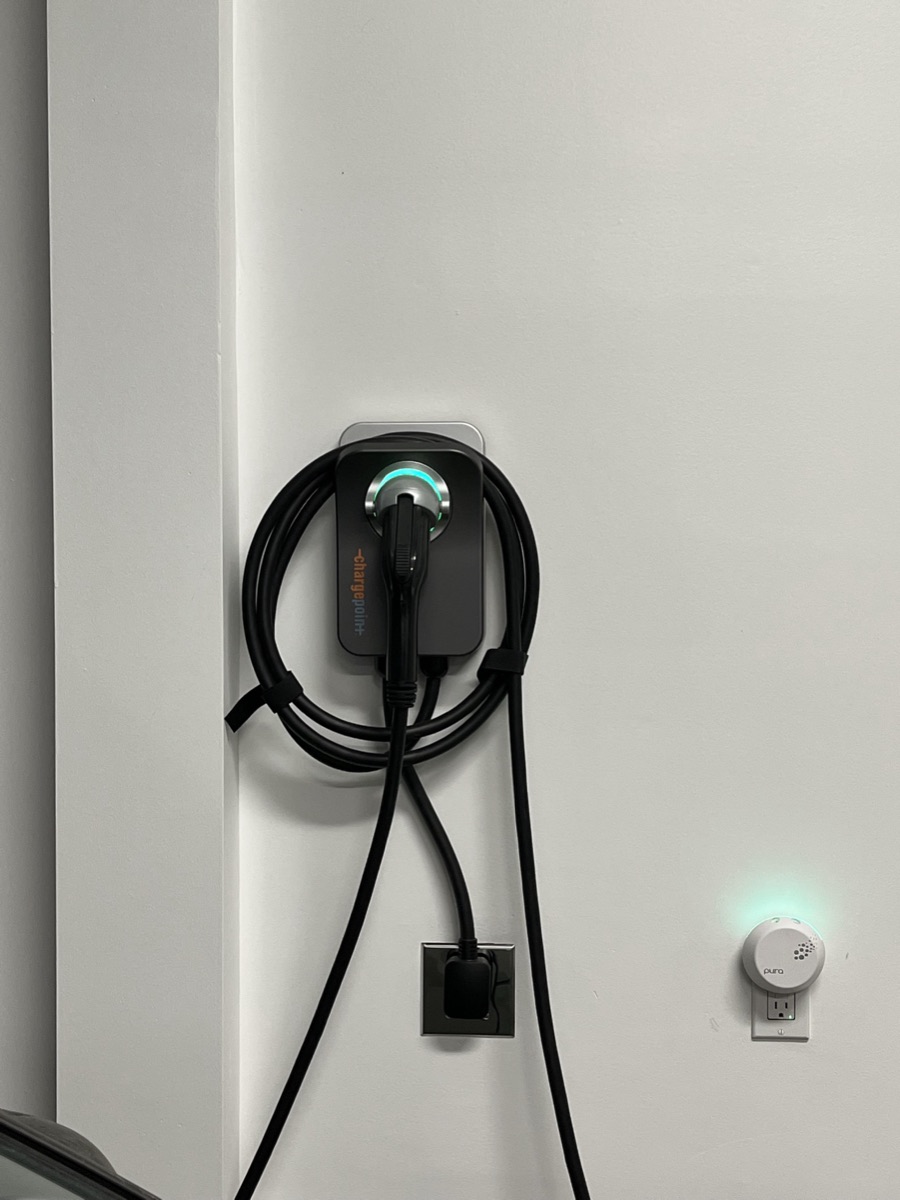
- EV charging. Running a 240-volt circuit to the garage during framing avoids opening finished walls later, even if you don’t own an EV yet.
- Conduit. Empty conduit to the attic, garage, or a future solar location keeps options open without committing to equipment.
What changed in the last year
Beyond the code edition, two things shifted. First, more new homes in Northern Colorado are being designed around electric loads: heat pumps, heat-pump water heaters, induction ranges, EV chargers, and solar with batteries. Each one affects service size, panel capacity, and where disconnects go, so they belong in the load calculation from the start.
Second, materials got more expensive. Construction input prices rose 8.9% from August 2025 to August 2026, and copper and brass mill-shape prices rose 20.9% over the same stretch. If your electrical bid is more than a few weeks old, ask how long the pricing holds.
Utility rebates from Xcel, Poudre Valley REA, and Efficiency Works mostly pay for qualifying equipment, not the branch wiring itself. The wiring still has to be sized for the equipment to qualify.
The mistakes we see before drywall
Comparing bids by the total. A lower number can leave out temporary power, permit fees, disconnects, garage and exterior circuits, or inspection corrections. Have every bidder price the same written scope.
Assuming the permit is handled. Colorado requires a permit for new permanent wiring. Ask who pulls it, whose name is on it, and who schedules rough and final inspections.
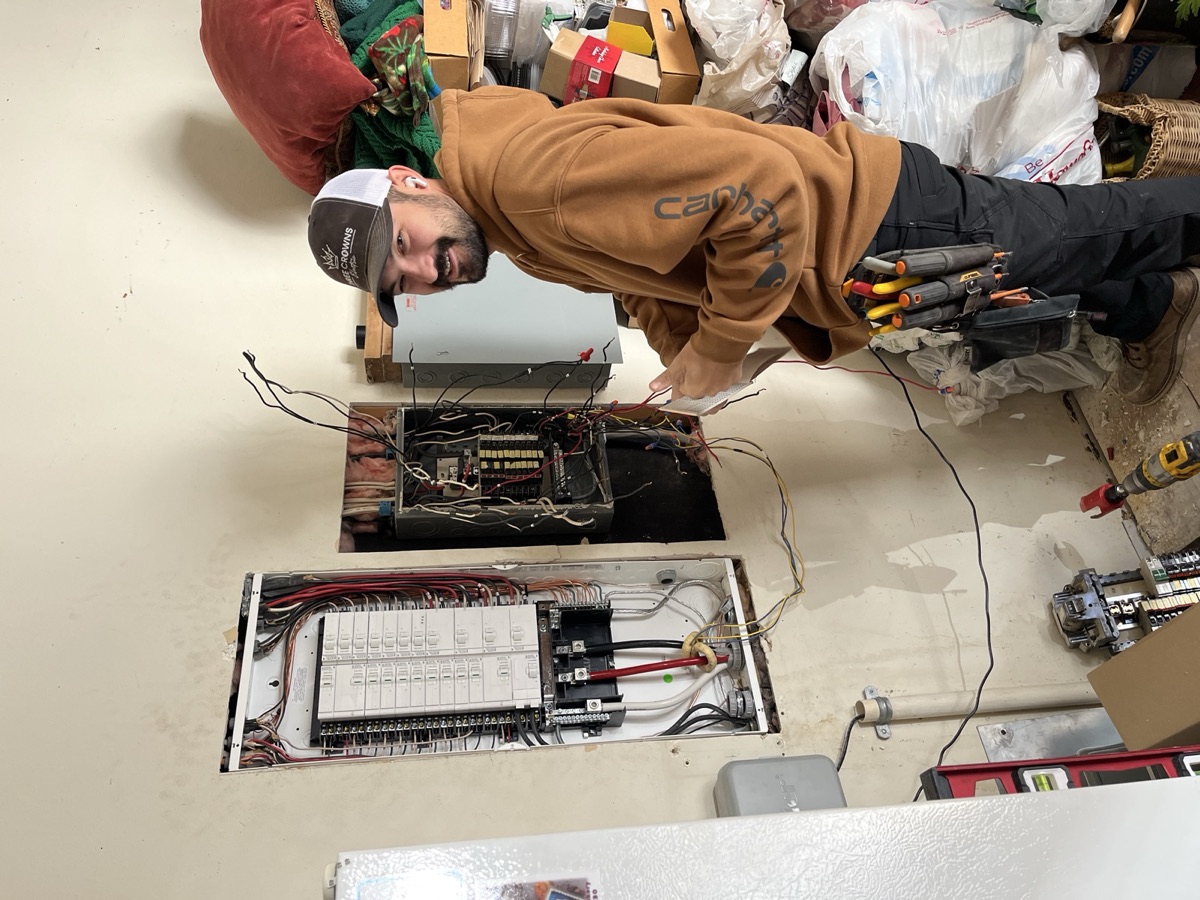
Skipping photos before insulation. Photograph every wall with wiring, every junction box, and every conduit run. Those photos save money on every future remodel.
Not asking for a labeled panel. Get a panel schedule and circuit directory at the end, plus notes on any capped circuits or spare conduit.
Frequently asked questions
Is 200 amps enough, or should I go bigger?
For many homes, 200 amps works. If you’re planning a heat pump, EV charging, an induction range, a hot tub, and solar with batteries, the load calculation may point to a larger service. We run the numbers on your plans before recommending either one.
Who pulls the permit, and what inspections are required?
The licensed electrical contractor should pull the electrical permit in their company’s name. New construction typically gets a rough-in inspection while wiring is visible and a final inspection after trim-out, administered by your city or county.
Should I run a 240-volt line for an EV charger now, even if I don’t own an EV yet?
Usually yes. Running the circuit and reserving panel space while the garage walls are open costs far less than fishing wire through finished drywall later.
What we do about it
Three Crowns Electric wires new homes across Northern Colorado from plans to final inspection. We confirm which code edition and local amendments apply to your permit, run the load calculation on your plans, pull the permit, and coordinate rough-in with your general contractor so inspections don’t hold up drywall. New-construction electrical work typically runs $5,000–$20,000+ depending on home size and finish level, and we line-item it before you sign. Our work carries a 2-year warranty, our technicians are salaried, and every job is backed by Master Electrician Jon Trujillo and 518 five-star Google reviews. See our new construction wiring service or call (970) 645-3114.