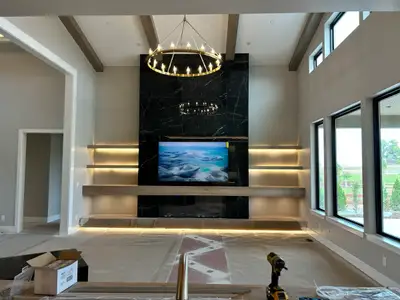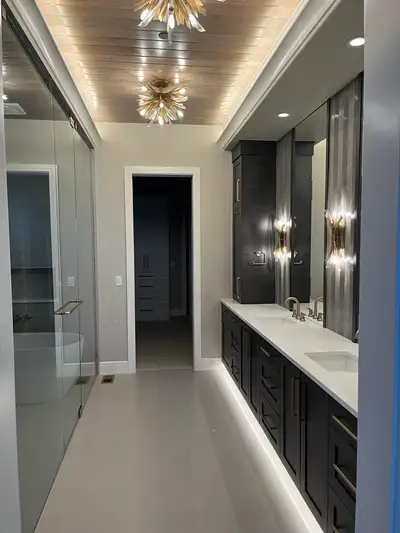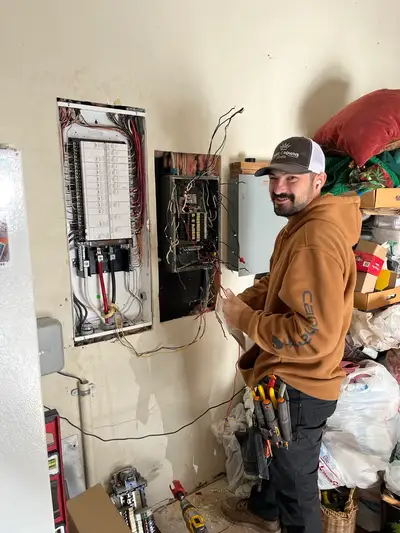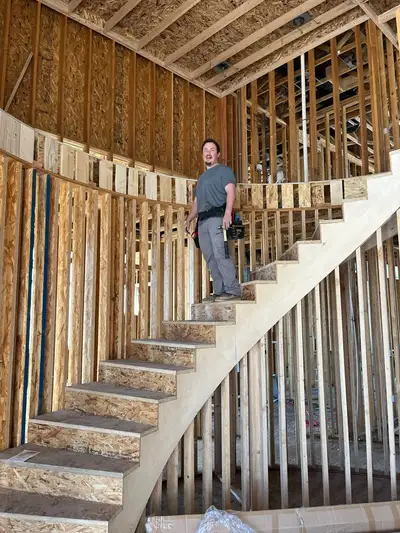
Colorado moved from the 2023 to the 2026 National Electrical Code this summer, so lighting work permitted now is reviewed against the newer edition. The code edition matters less than one practical line: swapping a fixture in the same spot is usually minor work, but new fixture locations, new junction boxes, or new wiring generally need a permit. Before anyone cuts a hole for recessed lights in Fort Collins, Loveland, Greeley, or Longmont, confirm who pulls the permit, which edition it’s reviewed under, and that the fixtures are rated for where they’re going.
Which code edition will my lighting project fall under?
The date your permit is submitted decides it, not the day the drywall comes down. Colorado’s statewide electrical minimum moved to the 2026 NEC this year. Denver’s published policy lets projects submitted for plan review before August 1, 2026 stay on the 2023 edition, and new submittals after that date use 2026.
Northern Colorado doesn’t publish one tidy rule. Fort Collins, Loveland, Greeley, Windsor, and Longmont each run their own building department, and home-rule cities can adopt local amendments that go further than the state code. If your house sits in unincorporated Larimer or Weld County, the county or the State Electrical Board may be the authority, even if your mailing address says Fort Collins. Go by the exact address.
When does “just adding lights” need a permit?
This is where most remodels get tripped up. Colorado requires an electrical permit for installing, altering, or replacing all or part of an electrical system, with specific exceptions. In practice, local departments split the work into two buckets:
- Minor replacement: taking down an old fixture and hanging a new one on the same box. Boulder, for example, lists lamp replacement separately from new circuits.
- New work: a new fixture location, a new junction box, a new switch leg, or a new circuit. Fort Collins treats new or relocated fixtures and boxes as permitted work.
Six recessed lights in a kitchen that used to have one center fixture is new work. So is adding a ceiling light to a 1970s bedroom where the wall switch only controls an outlet. If a bid says “no permit needed” for either of those, ask why.
What to check before anyone cuts the ceiling
The code edition is one piece. These are the things that actually cause failed inspections and rework:
- Fixture ratings. Recessed fixtures touching attic insulation need to be IC-rated, and airtight where required. In a Greeley or Windsor ranch with blown insulation above the kitchen, this isn’t optional.
- Wet and damp locations. Porch, deck, and soffit fixtures need the right wet-location rating and weather-resistant boxes. Outdoor work may need GFCI protection.
- Box support. A heavy pendant or chandelier can’t hang from an ordinary ceiling box. The box and brace have to be rated for the weight.
- Dimmer compatibility. LED fixture, driver, and dimmer all have to match. Mismatched parts are the usual reason new lights flicker or buzz on low.
- Circuit capacity. Ask which existing circuit feeds the new lights and whether it has room, especially in older Loveland and Old Town Fort Collins homes.
Common mistakes we see on lighting remodels
The biggest one is buying fixtures before deciding what the room needs. A grid of cans can still leave countertops in shadow. Ask for a marked-up plan showing fixture locations, switch zones, and color temperature before work starts.
The second is skipping the permit “because it’s only lights.” A Colorado license and a local permit are separate things, and a homeowner-pulled permit isn’t a way for an electrician to work under your name. If the contractor asks you to pull it, that’s a warning sign.
Third, rebates. Efficiency Works serves Fort Collins, Loveland, Longmont, and Estes Park, and has offered rebates on qualifying outdoor LED fixtures. Program terms change, so check eligibility before you buy, not after.
Frequently asked questions
Can I replace a light fixture myself, or do I need an electrician? A like-for-like swap on an existing, properly supported box is minor work in most jurisdictions. Once you’re adding a box, running new cable, or dealing with old wiring you don’t recognize, it becomes permitted electrical work.
Will recessed lights work in my insulated ceiling? Yes, with the right fixture. Use IC-rated, airtight-where-required housings or canless wafers rated for insulation contact, and confirm what’s above the ceiling (joists, ducts, plumbing) before cutting.
Do I need a panel upgrade for new lighting? Usually not. LED lighting draws little power. The question is whether the circuit you’re tapping has room, and whether the panel has space if a new circuit is needed.
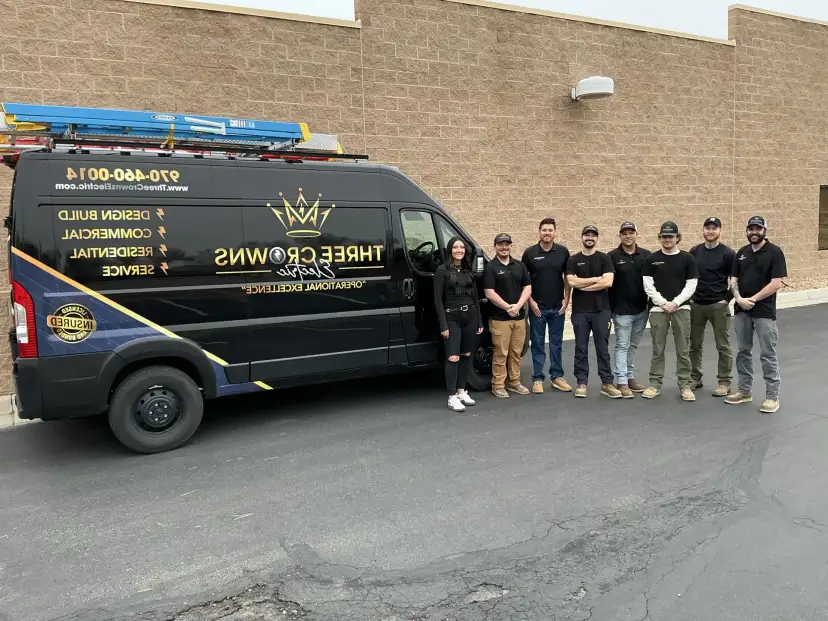
Three Crowns Electric plans the layout, pulls the permit, and schedules the inspection on every lighting installation. Our salaried technicians work under a Master Electrician (Jon Trujillo), and the work carries a 2-year warranty. Call (970) 460-0014 and we’ll tell you which code edition and which permit your project falls under before we touch a wire.