Colorado moved from the 2023 to the 2026 National Electrical Code this summer, so most new commercial power distribution permits are now reviewed against the 2026 edition. If your service upgrade, switchgear replacement, or tenant buildout was designed under the old code, recheck the load calculation, overcurrent protection, grounding and bonding, disconnects, and labeling before you order equipment. The permit submittal date usually decides which edition applies, and each city sets its own transition. Confirm both with whoever pulls the permit.
Which code edition applies to my project?
The submittal date, not the start date. Denver’s guidance is a good example of how the switch works: projects submitted for plan review before August 1, 2026 could use the 2023 NEC, and anything submitted after that has to meet the 2026 edition.
That’s Denver’s rule, though, not Northern Colorado’s. Fort Collins, Loveland, Greeley, Windsor, Longmont, and Boulder each handle their own permits, and a property outside city limits may fall under the county or a state inspector. If your design was drawn last spring and hasn’t been submitted yet, assume it will be reviewed under the new code until the building department tells you otherwise.
What to recheck before you order gear
Switchgear, transformers, and large panelboards are quoted project by project and can take a while to arrive. Finding a code problem after the gear lands is the expensive way to learn. Before procurement, have your electrician walk back through:
- The service and feeder load calculation, with the new equipment included
- Overcurrent protection ratings and coordination between breakers
- Grounding and bonding at the service and any separately derived systems
- Disconnecting means and where they’re located
- Equipment labeling and arc-energy documentation
- Feeder routing for anything being added or moved
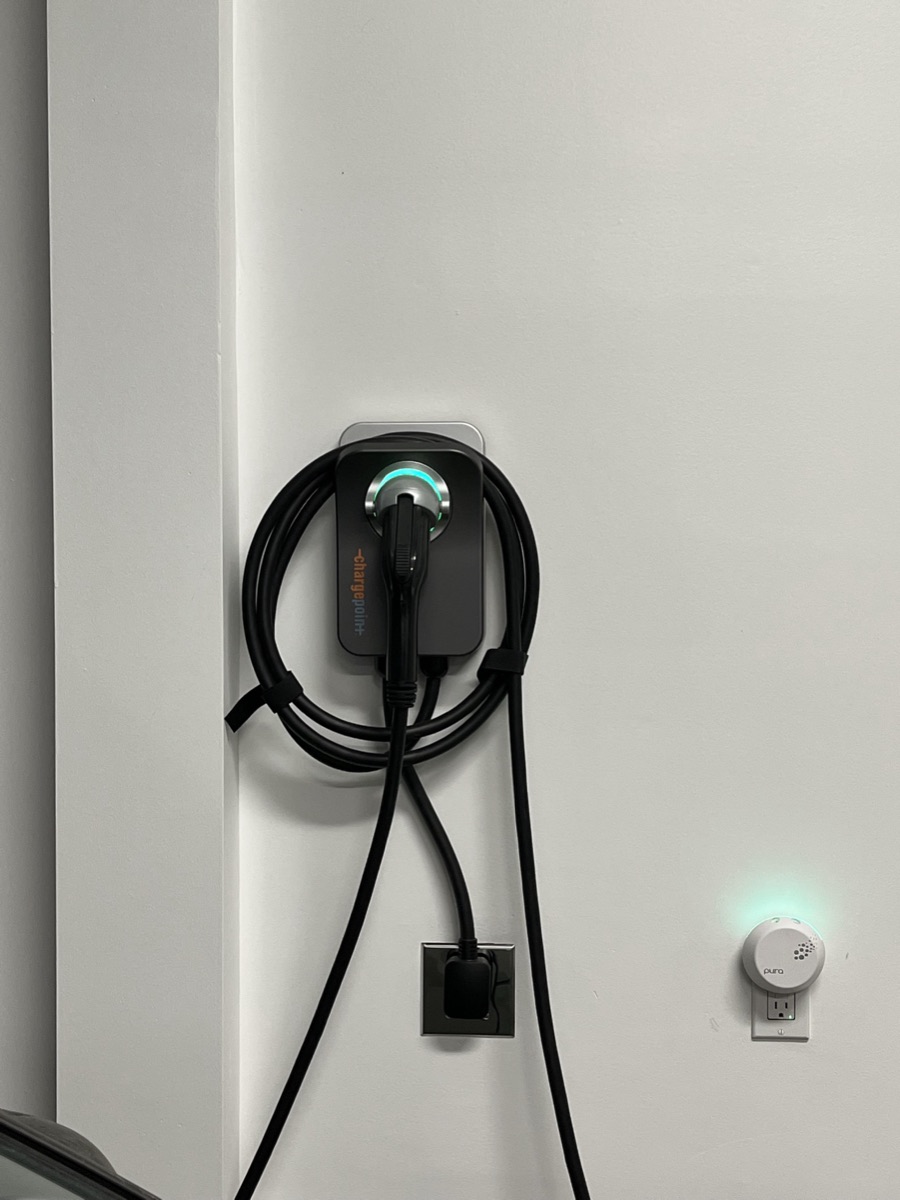
EV chargers and batteries deserve their own look. Xcel Energy has offered workplace charging incentives of $1,250 per Level 2 port, and up to $2,500 per port in designated communities. In Fort Collins, Loveland, and Longmont, the Efficiency Works business program reset its incentives on January 1, 2026. Those programs pay for the chargers, not the capacity behind them. A bank of chargers can mean new feeders, load management, or a conversation with the utility about the transformer.
Mistakes we see on commercial distribution jobs
Treating a spare breaker slot as spare capacity. An open space in the panel says nothing about whether the feeder, the main, or the utility transformer can carry the load. Ask for the calculation in writing.
Upsizing a breaker that keeps tripping. A trip under a big compressor or welder can point to undersized conductors, loose terminations, or phase imbalance. A bigger breaker removes the protection and leaves the problem.
Not planning the shutdown. Larimer County businesses have seen how much an unplanned outage costs. A planned one still needs a written plan: what gets de-energized, for how long, who notifies tenants, and who checks that refrigeration, IT, fire alarm, and access control come back up.
Comparing bids that don’t cover the same scope. One number may include engineering, utility fees, permits, testing, and updated panel schedules. Another may not. Line them up side by side.
Frequently asked questions
Do we need a full service upgrade, or can the existing system handle the new load?
Sometimes the existing service is fine and one feeder or panel is the limit. A load calculation on your actual equipment shows which piece runs out first, and that decides whether you need a new service or a smaller fix.
Does the new code mean our existing switchgear has to be replaced?
No. Existing equipment isn’t replaced just because the code changed. New work and anything you alter must meet the edition your jurisdiction enforces, and older gear in poor condition may still need replacement on its own merits.
Can the facility stay open while the work is done?
Usually, with phasing. Ask for a schedule that shows which loads go down and when, whether temporary power is included, and whether after-hours labor is in the price.
What we do about it
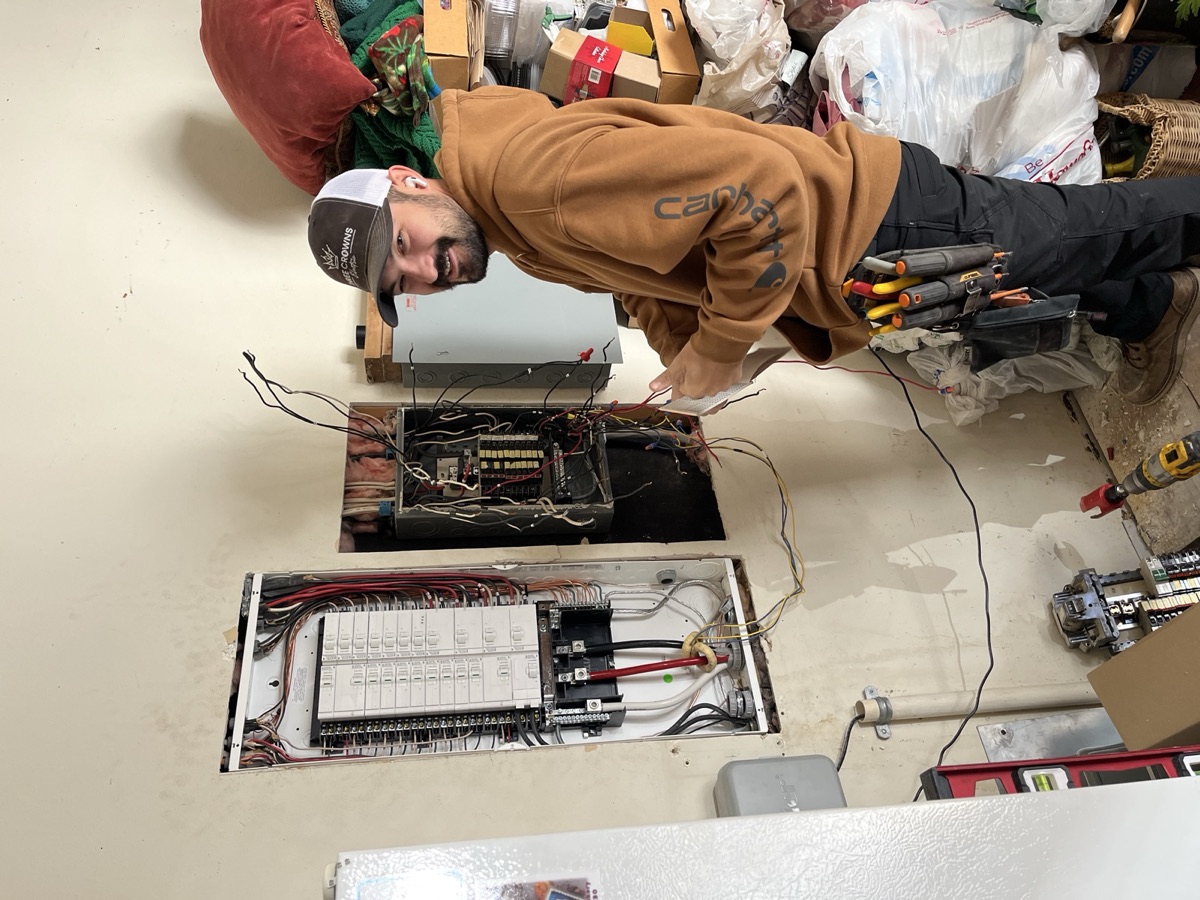
Three Crowns Electric designs, upgrades, and balances commercial power distribution for offices, warehouses, restaurants, retail, and manufacturing across Northern Colorado. We confirm the permitting authority and code edition first, run the load calculation on the equipment you actually plan to add, and write out the shutdown plan before anything is de-energized. Projects typically run $5,000–$50,000+ depending on service size, equipment, utility coordination, and permits. Work is done by salaried technicians under Master Electrician Jon Trujillo, carries a 2-year warranty, and sits behind 518 five-star Google reviews. See our commercial power distribution service or call (970) 645-3114.