Colorado moved its statewide electrical code from the 2023 NEC to the 2026 NEC this year, with permits filed after the transition reviewed against the new edition. For most homeowners, a like-for-like repair, such as a dead outlet, a failed breaker, or a loose connection, is handled the same way it was last year. The new code matters when the fix turns into an alteration: a new circuit, a panel or service change, or a big new load like an EV charger or hot tub. Your city or county, and the date the permit goes in, decide which rules apply.
Does the 2026 code change a simple repair?
Usually not. If a breaker keeps popping and the fix is a new breaker of the same size, or a receptacle with a burned backstab connection gets replaced and wired to the screws, that’s a repair to existing wiring. The code edition mostly matters for new or altered work, and the research we reviewed doesn’t show a single new outlet, breaker, or panel product that became mandatory across Northern Colorado this year.
Where it does matter is when the repair grows. Replacing a panel, changing the service, adding a circuit, or wiring a generator or battery is more likely to be treated as an alteration, and alterations get reviewed against whatever edition your building department has adopted. A dead bedroom circuit in a 1970s ranch in north Loveland is one thing. Finding out that circuit was overloaded because someone tapped a space heater circuit into it is another.
Who decides: your city, your county, and the permit date
Colorado sets the statewide floor, but Northern Colorado isn’t one jurisdiction. Fort Collins, Loveland, Greeley, Windsor, Longmont, and Boulder each run their own permitting and can apply local amendments. Longmont, for example, handles permits inside city limits, while properties just outside fall to the county.
Published sources also don’t agree on the exact effective date. Some list mid-July 2026, others August 1. If your repair needs a permit this fall, the person pulling it should tell you which edition and which local amendments apply to your address before work starts.
When a repair turns into an upgrade
Most repair calls are not panel calls. Common causes of a dead outlet or a tripping breaker are a loose neutral, a failed receptacle upstream, a hidden GFCI in another room, or a breaker that has simply worn out. Those are fixed inside the normal visit range.
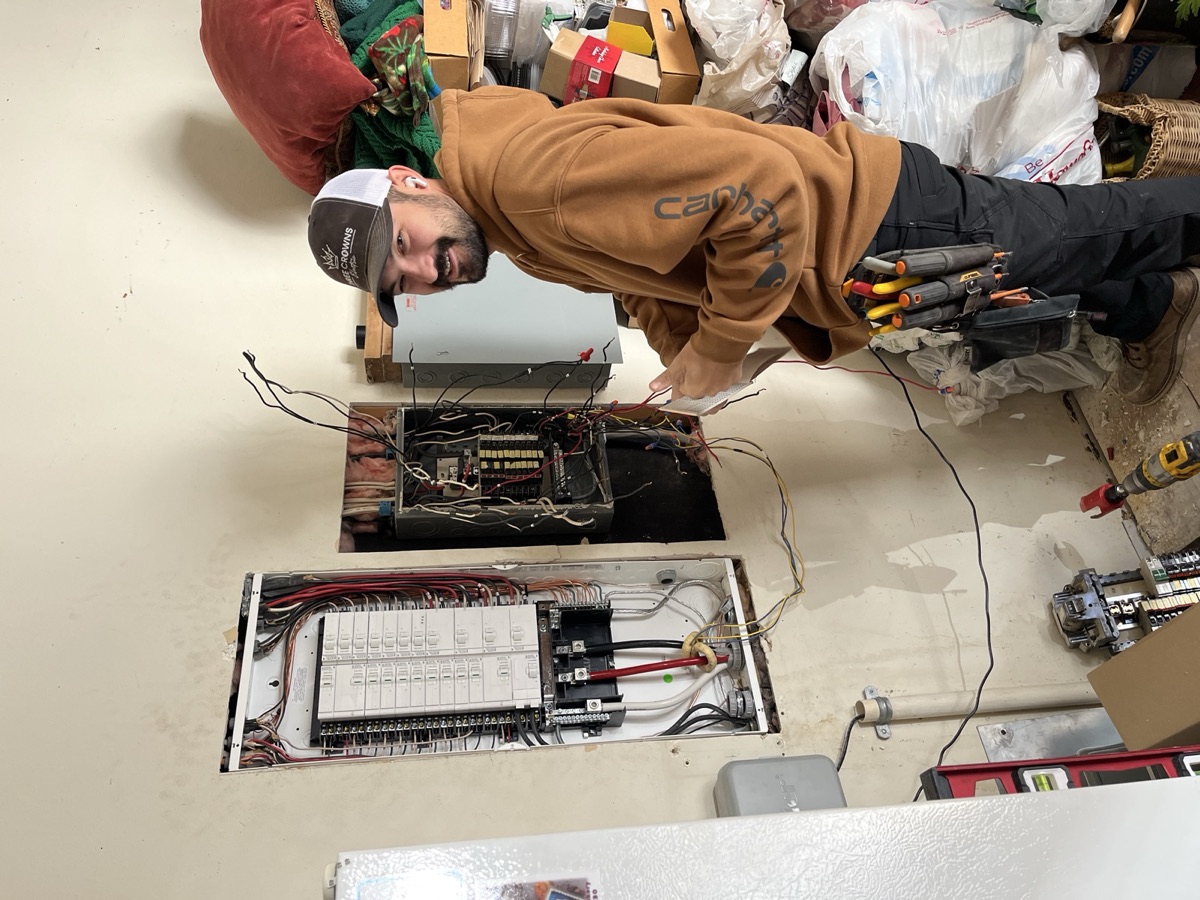
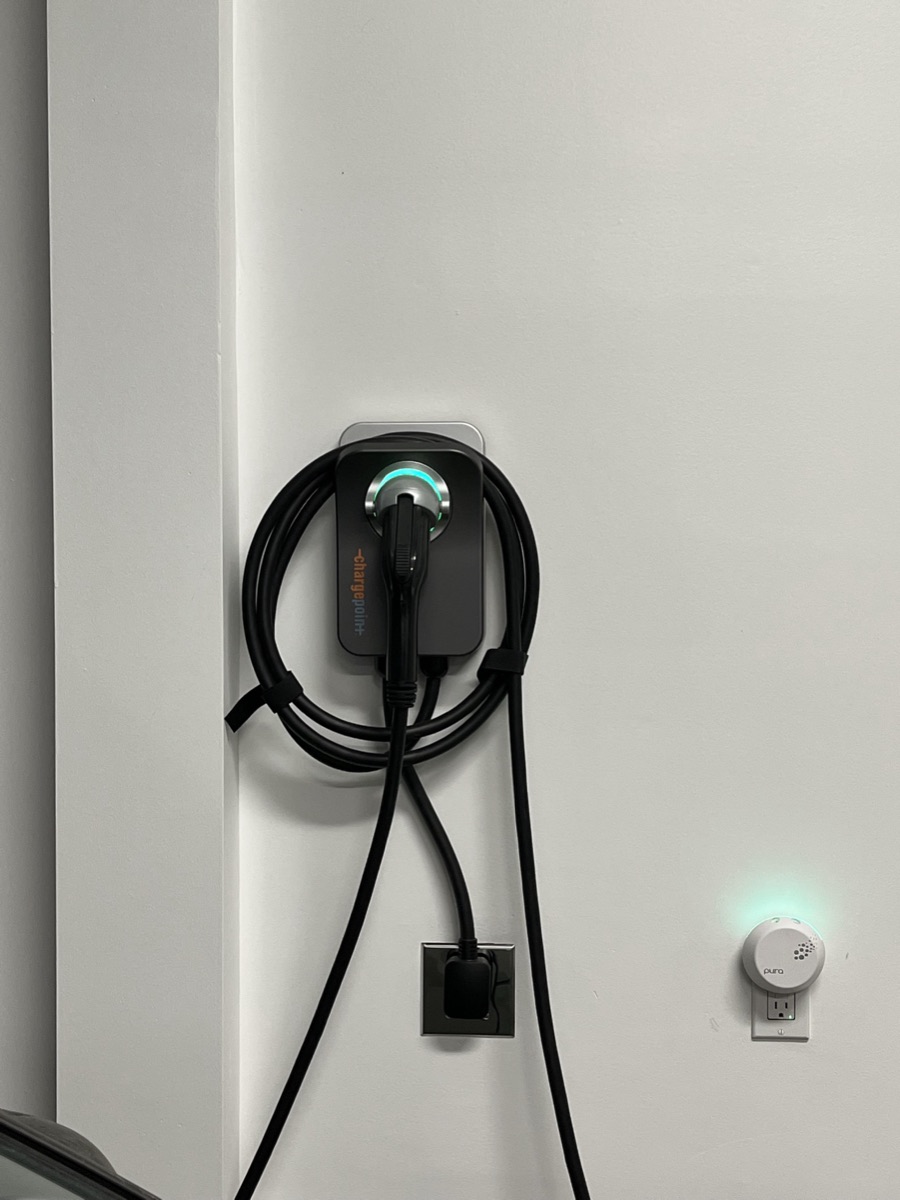
The 2026 code shows up when the answer is bigger. If the panel is a recalled brand, if it’s overheating, or if you’re adding a hot tub, heat pump, or EV charger on top of what’s already there, you’re into load calculations, permits, and inspections. Published Fort Collins panel-replacement figures run roughly $1,500–$7,000. That’s a different decision than a repair, and it deserves a written load calculation, not a guess.
Mistakes we see before the repair is even scheduled
Upsizing the breaker so it stops tripping. A bigger breaker on the same wire removes the protection the wire needs. It’s a fire risk, not a fix.
Living on extension cords. Running a fridge or space heater off a cord for months hides the real problem and can overheat the cord and the outlet behind it.
Accepting “you need a new panel” with no evidence. Ask the electrician to show you the failed part, the voltage reading, or the code issue. A second opinion is reasonable before a major replacement.
Skipping the permit question. Ask in writing whether the work needs a permit, who pulls it, and who handles inspection corrections.
Frequently asked questions
Why is only part of my house without power?
It can be a tripped or failed breaker, a loose connection, or a problem on the utility side, such as a lost leg at the service. If lights are dim on one side and dead on the other, call the utility first, then an electrician. Don’t open the panel yourself.
Can I fix this myself, or is it dangerous?
Swapping a like-for-like switch on your own home is one thing. Anything inside the panel, at the service, or involving exposed or hot wiring belongs with a licensed electrician. Burning smells, buzzing, or a warm outlet mean shut off that circuit if it’s safe and call.
How much should an electrician charge for this repair?
A typical repair visit in Northern Colorado runs $150–$500. Ask what’s included if the first suspected part isn’t the cause, and get the scope in writing.
What we do about it
Three Crowns Electric diagnoses the problem first, shows you what failed, and quotes the fix before we touch a wire. If the job is a straight repair, we fix it in the same visit. If it turns into a panel, circuit, or service change, we confirm which code edition and local amendments apply to your address and pull the permit. Our work is done by salaried technicians, carries a 2-year warranty, and is backed by Master Electrician Jon Trujillo and 518 five-star Google reviews. See our electrical repair service or call (970) 645-3114.